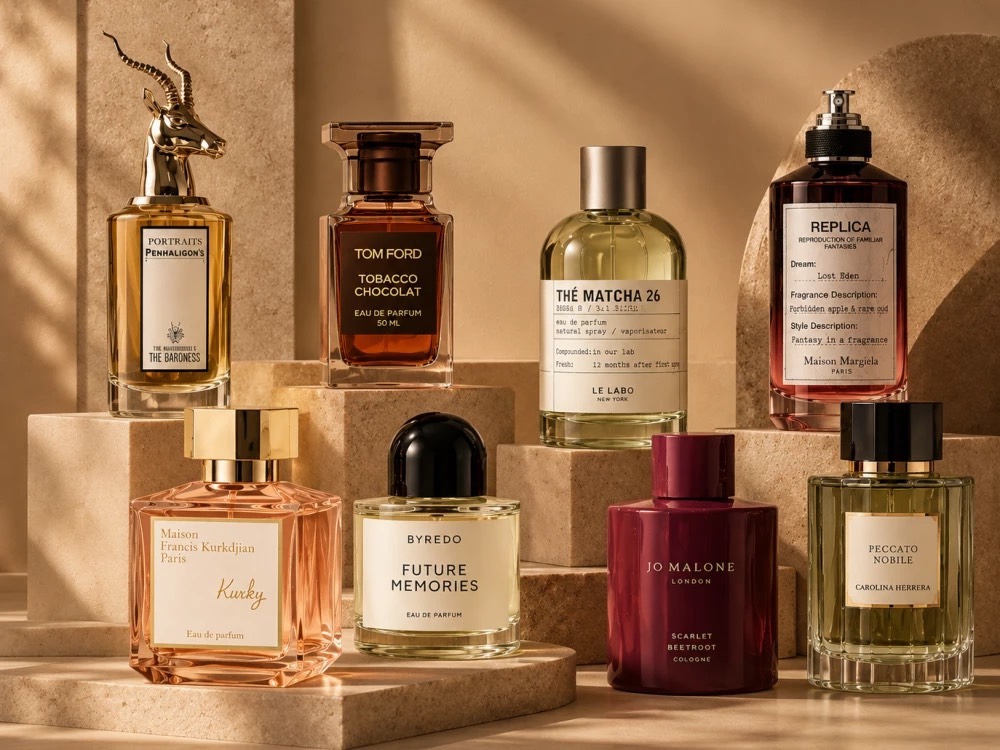
Some perfumes smell of flowers, freshly washed linen or newly cut grass. Others take you straight to a pastry shop—or your own kitchen. Gourmand fragrances explore that boundary between scent and taste, filling their bottles with notes more familiar from desserts, coffee cups and tea rituals. Vanilla, cocoa, pistachio, honey, chestnut, caramel and exotic spices have featured in luxury fragrances since the 1990s, shaped into compositions that feel familiar, seductive and unexpected. Now that boundary is extending into the vegetable garden, with ingredients such as beetroot.
The common thread is their ability to be as appealing in a perfume bottle as in a favorite dish. Their lasting scents also make them purchases to enjoy over time. Here are eight selections I would happily make room for on my shelf this autumn and winter. Prices are those quoted in the original September 25, 2026 article.
Jo Malone Scarlet Beetroot Cologne
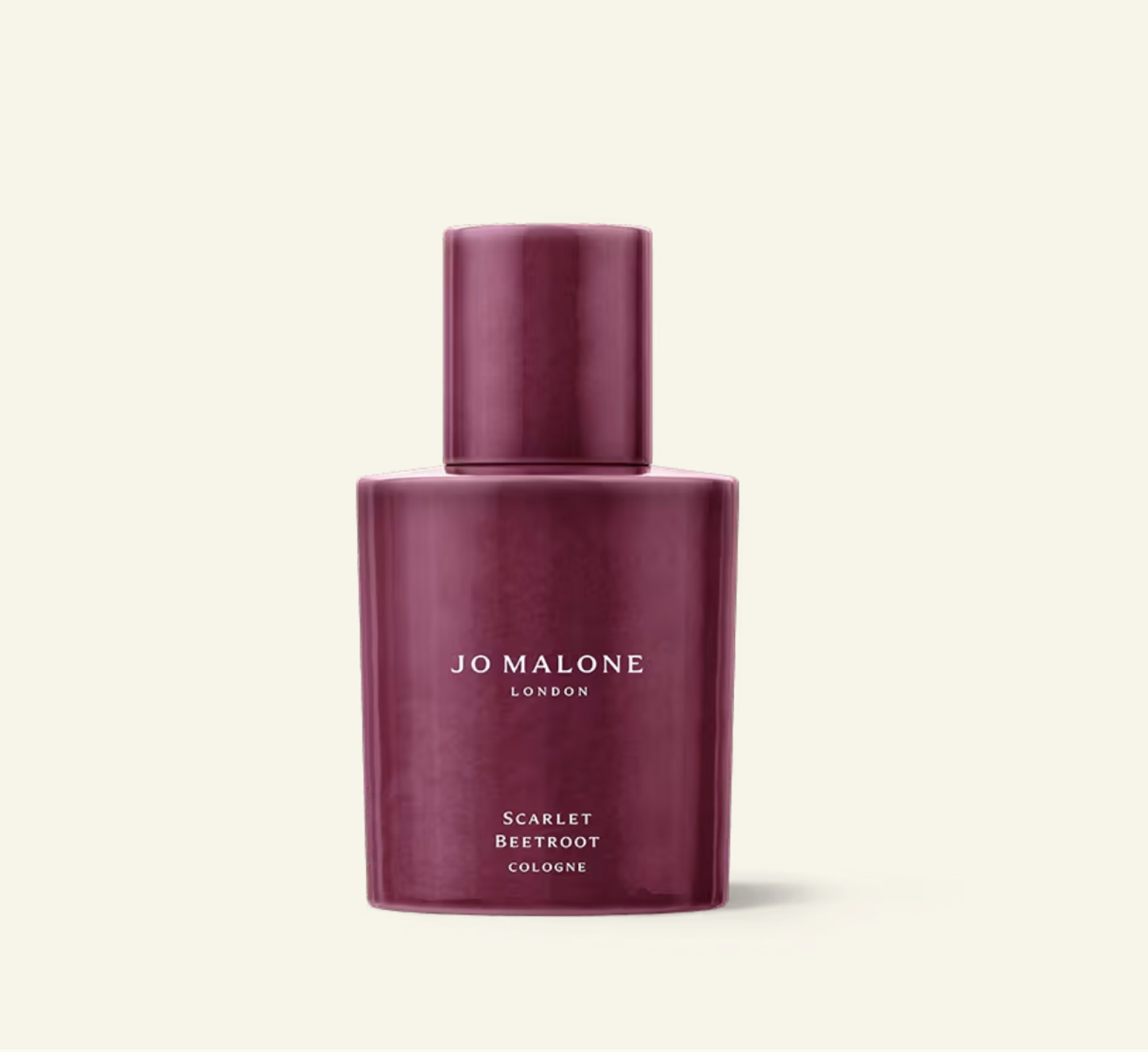
For Jo Malone London’s limited-edition Veggies collection, global fragrance director Celine Roux drew on her love of gardens and vegetable plots. Visiting some of Britain’s finest kitchen gardens and urban growing spaces, she was struck by the unexpected beauty of beetroot, which she describes as “jewel-like,” and set out to turn it into an elegant, wearable scent. Blackcurrant adds tempting fruity sweetness, while patchouli brings sophistication and depth. About €75 for 30 ml.
Carolina Herrera Peccato Nobile Eau de Parfum
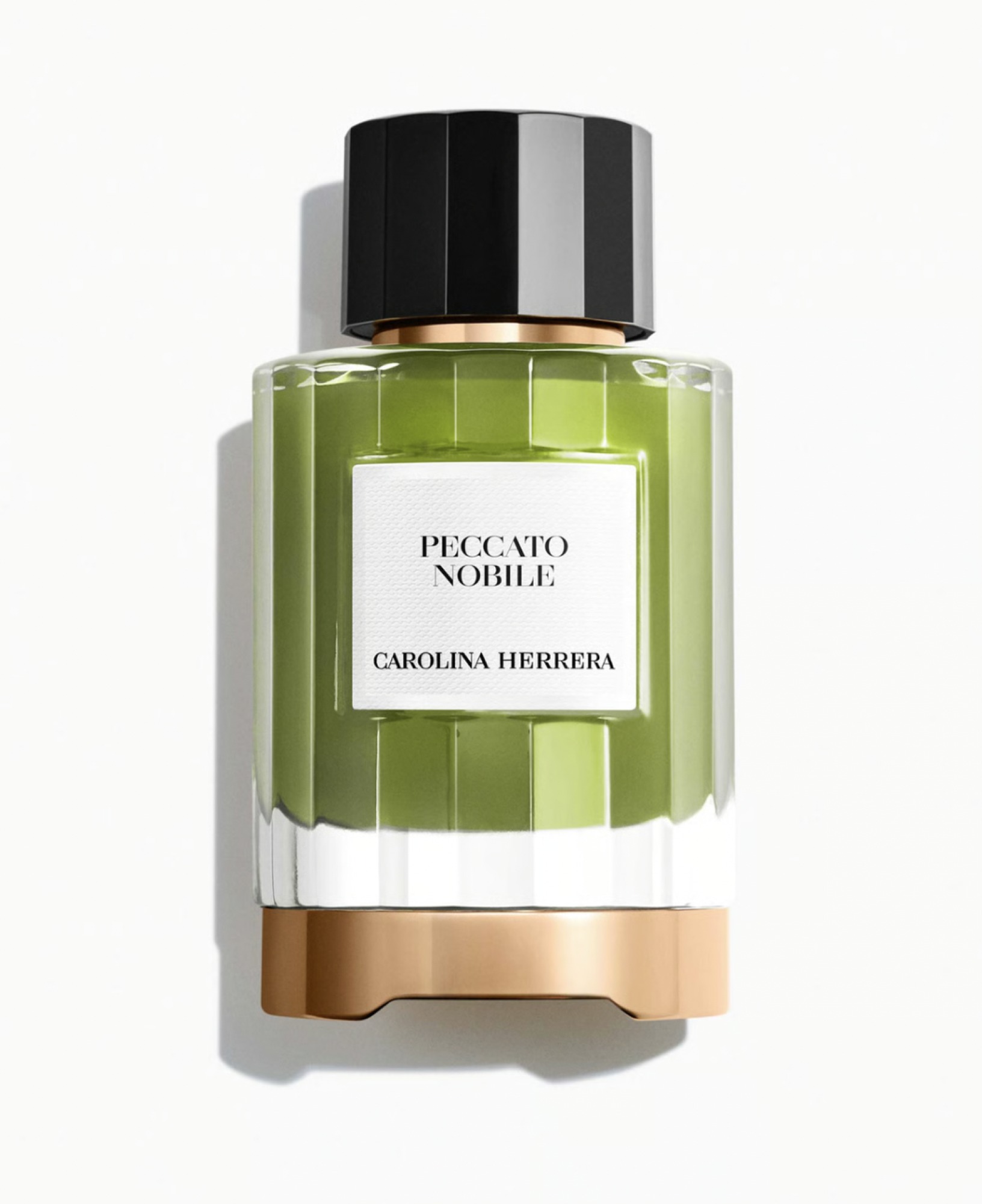
Peccato Nobile draws on memories of brand founder Carolina Herrera’s childhood and desserts shared at a tucked-away restaurant in New York’s Little Italy. The celebrated designer stepped away from her namesake brand in 2018; its fragrance division operates within Puig. In the first half of 2026, Carolina Herrera posted double-digit revenue growth, outpacing its parent company’s overall increase of 4.4%.
The scent combines pistachio, cocoa and precious oud, creating an intriguing balance of sweet and savory notes.
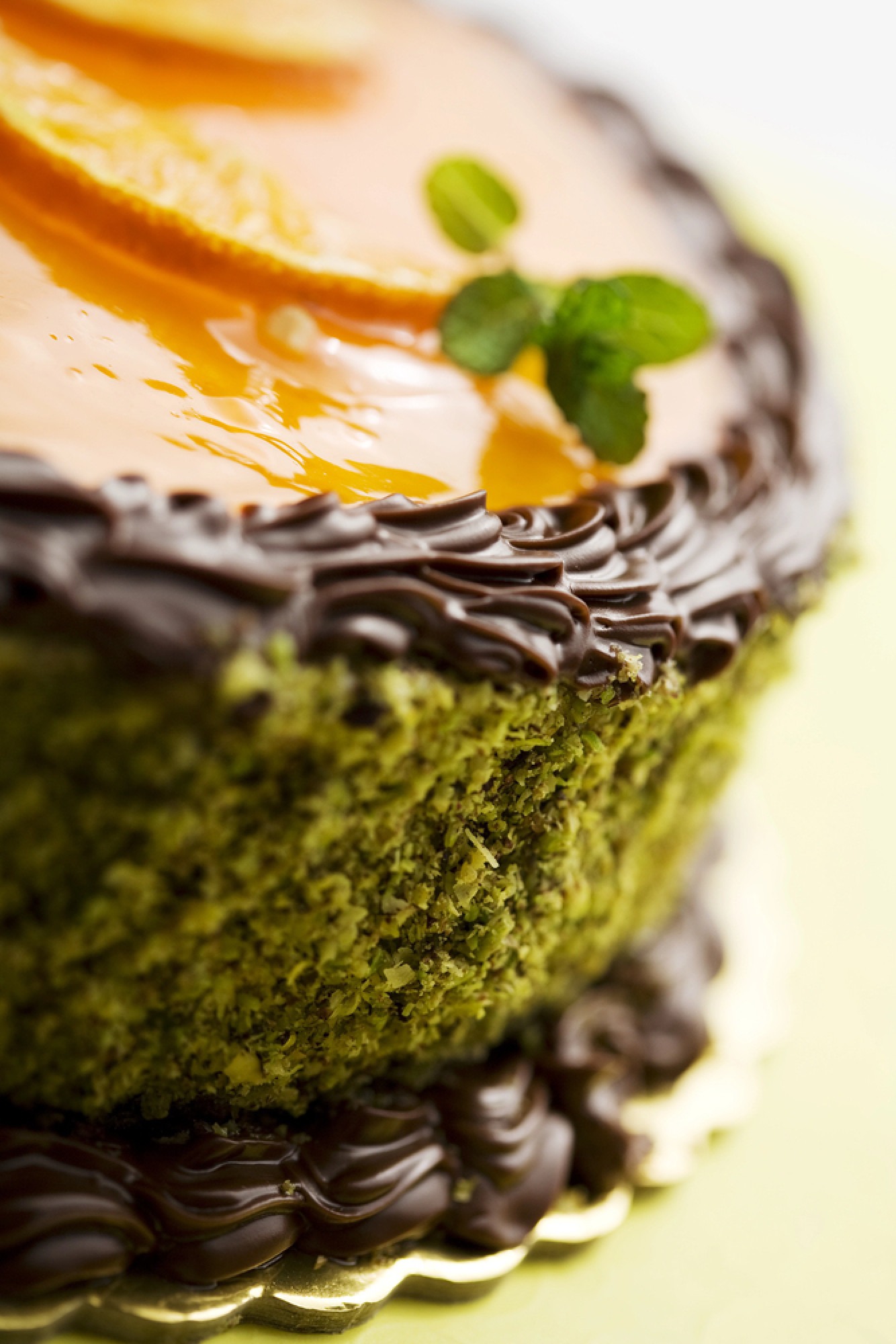
Think pistachio ice cream, creamy desserts and dark chocolate, with oud adding a deep, woody, smoky dimension. That contrast between sweetness and savory, woody tones gives the fragrance its sophisticated character. About €260 for 100 ml.
Tom Ford Tobacco Chocolat
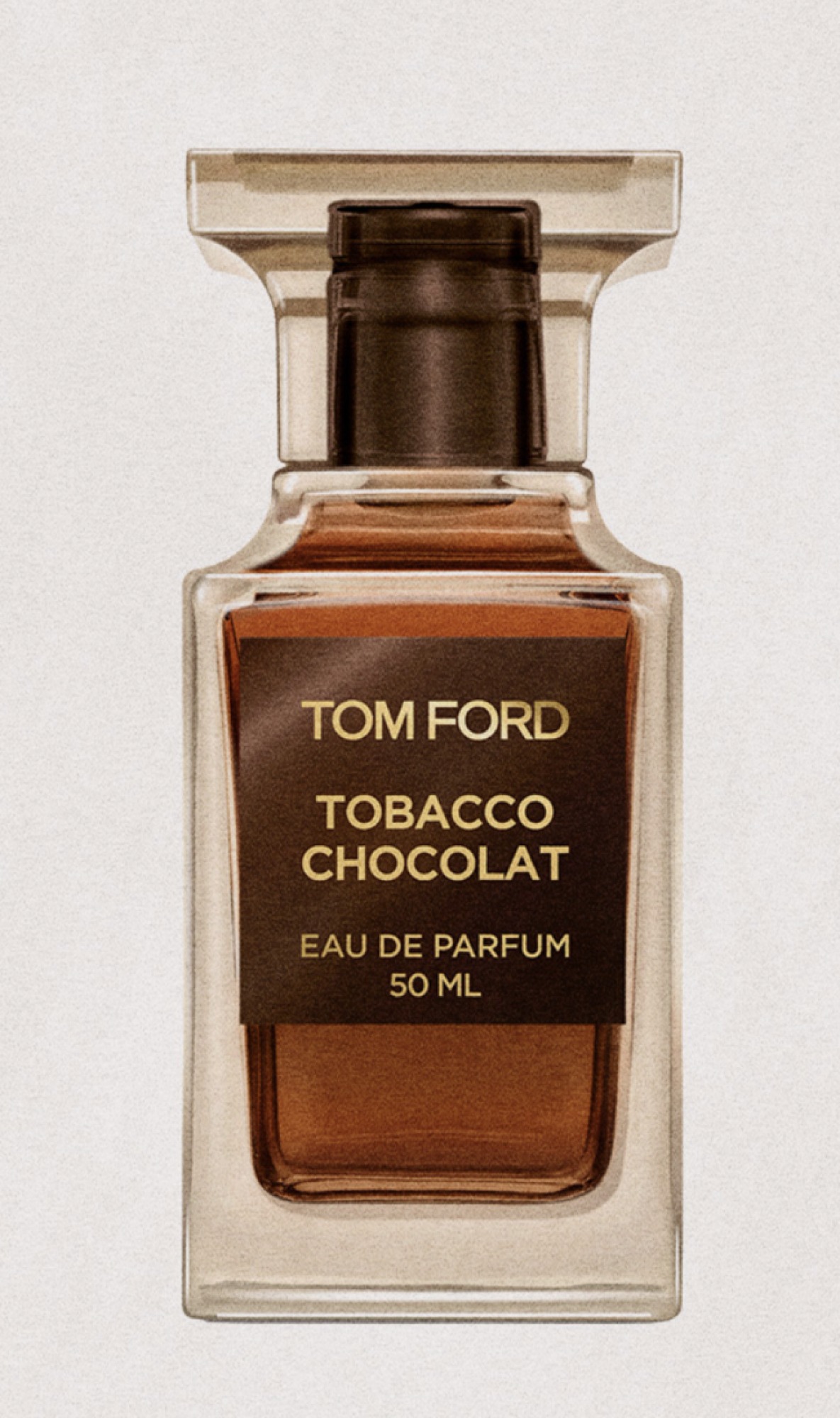
Sensuality is embedded in Tom Ford’s DNA, so it is no surprise that Tobacco Chocolat is a rich, ambery gourmand with an opulent character.
It pairs tobacco and dark chocolate with a gentle honeyed sweetness. Perfumer Daniela Andrier describes the composition as taking gourmand notes to a new level. At its heart is an exclusive “cocoa smoke” accord, created by co-distilling slowly roasted tobacco leaves and pure dark chocolate. About €165 for 30 ml.
Maison Margiela Replica Lost Eden
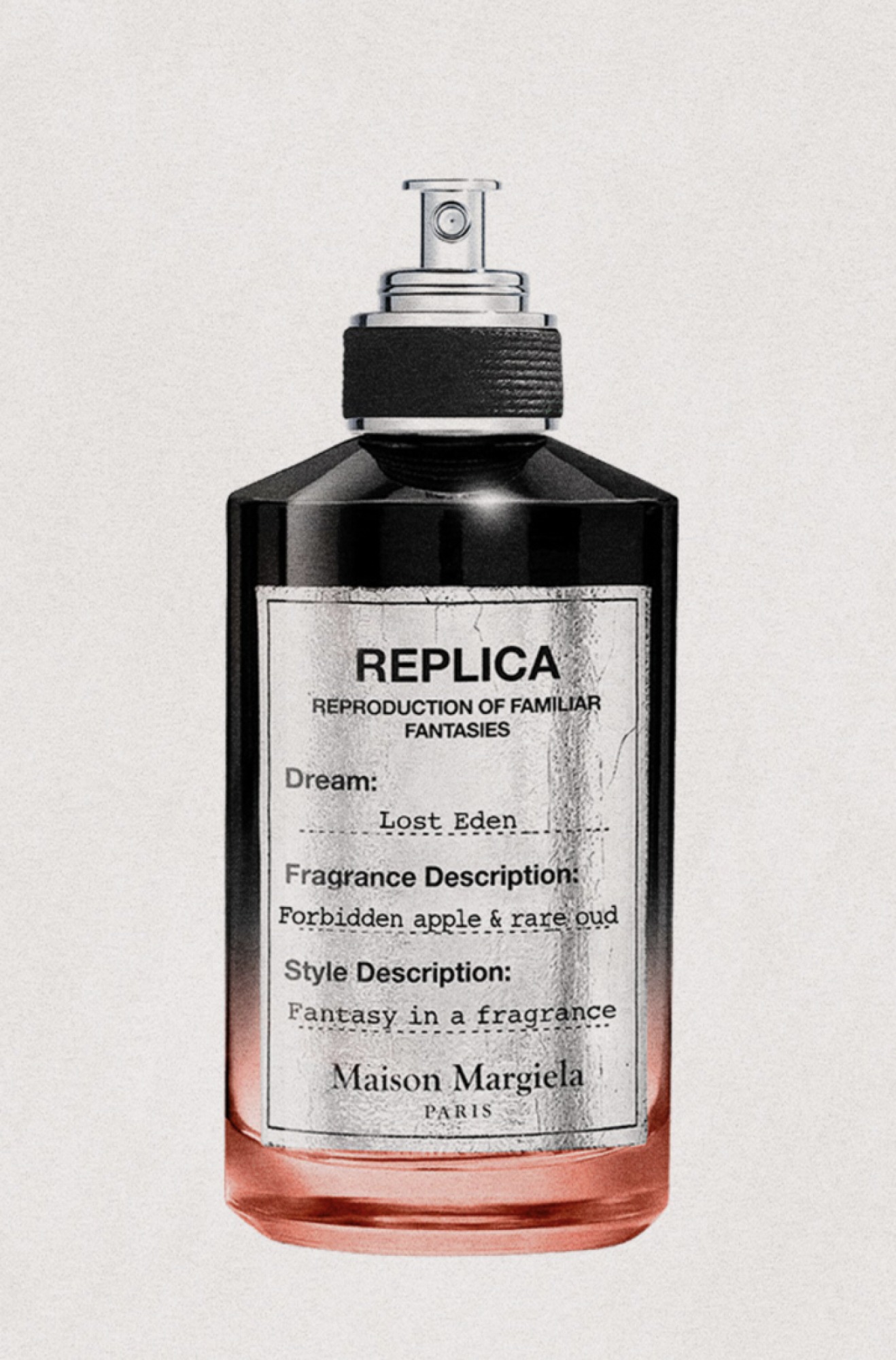
Lost Eden is a sweet gourmand inspired by forbidden fruit and the mythical Garden of Eden. It opens with candied red apple, bringing juicy, slightly tart sweetness, softened by velvety vanilla at its heart.
Oud in the base adds a darker, smoky note, giving the composition a more serious, sophisticated character.
Imagine candied apple and vanilla, caramelized fruit, sweets and creamy desserts. Gourmand lovers should also consider the older Maison Margiela Replica By the Fireplace. As the name suggests, it conjures the warmth of a hearth in midwinter—the comforting, sensual feeling of an evening beside the fire.
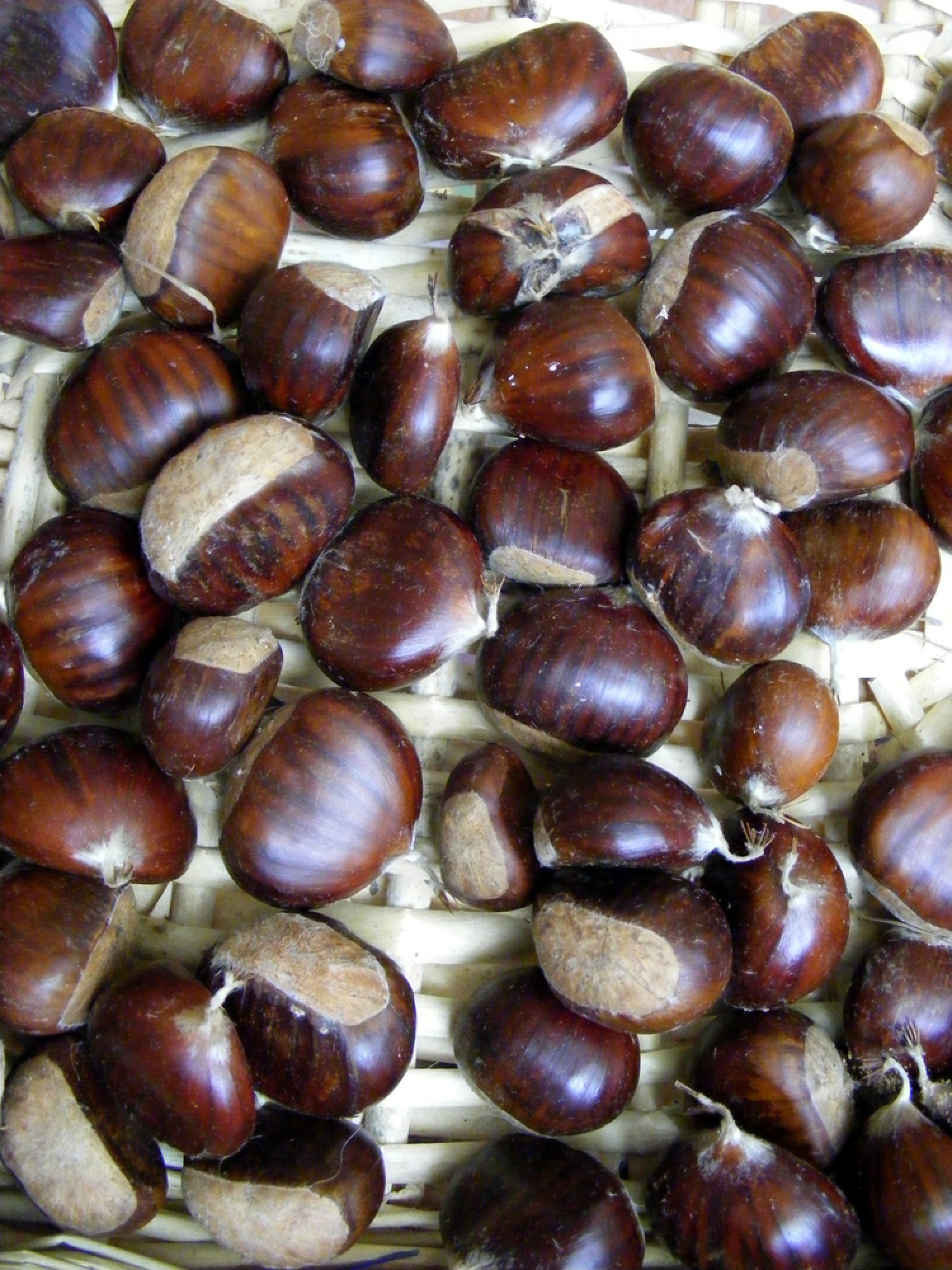
Roasted chestnut stands out, evoked through a chestnut note and red berry oil, with vanilla adding sweetness. The effect recalls roasted chestnuts, warm winter desserts and sweet vanilla. I would add Replica Coffee Break, too: coffee, vanilla and tonka suggest a creamy latte or cappuccino enjoyed somewhere warm and cozy. About €200 for 100 ml.
Byredo Future Memories
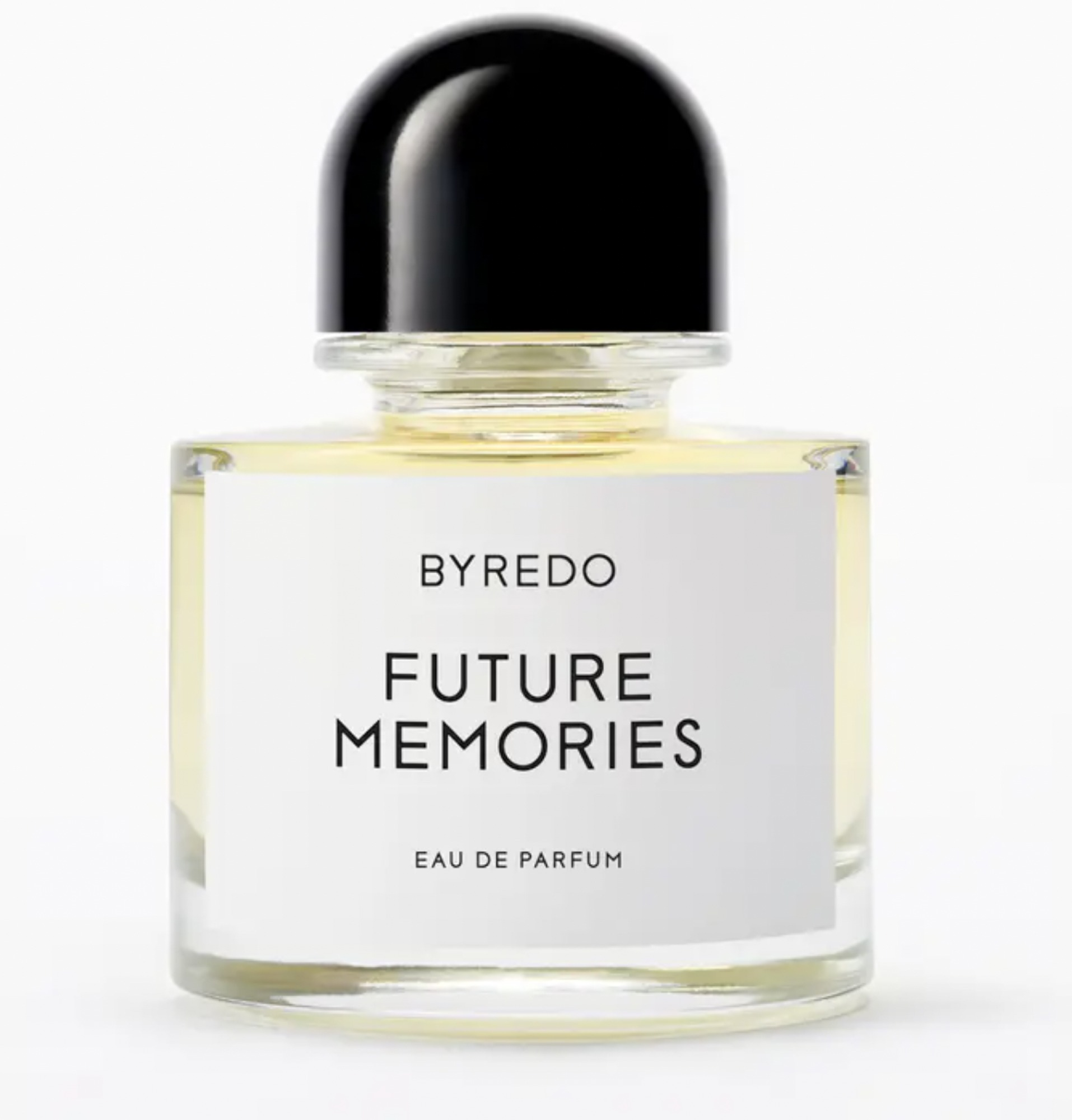
This new fragrance combines juicy blackcurrant, different varieties of vanilla, powdery iris butter and delicate orange blossom, creating a creamy, fruity and sophisticated scent.
But the Byredo gourmand I find even more interesting is Eleventh Hour, built around ban timur, a Nepalese spice also known as Nepalese Sichuan pepper. Used in sauces, curries and vegetable and meat dishes, it lends the perfume a citrusy, spicy note. Wild fig, rum and tonka join it, the latter recalling vanilla, almond and caramel. Tonka beans are the seeds of Dipteryx odorata, a tropical tree native to South America.
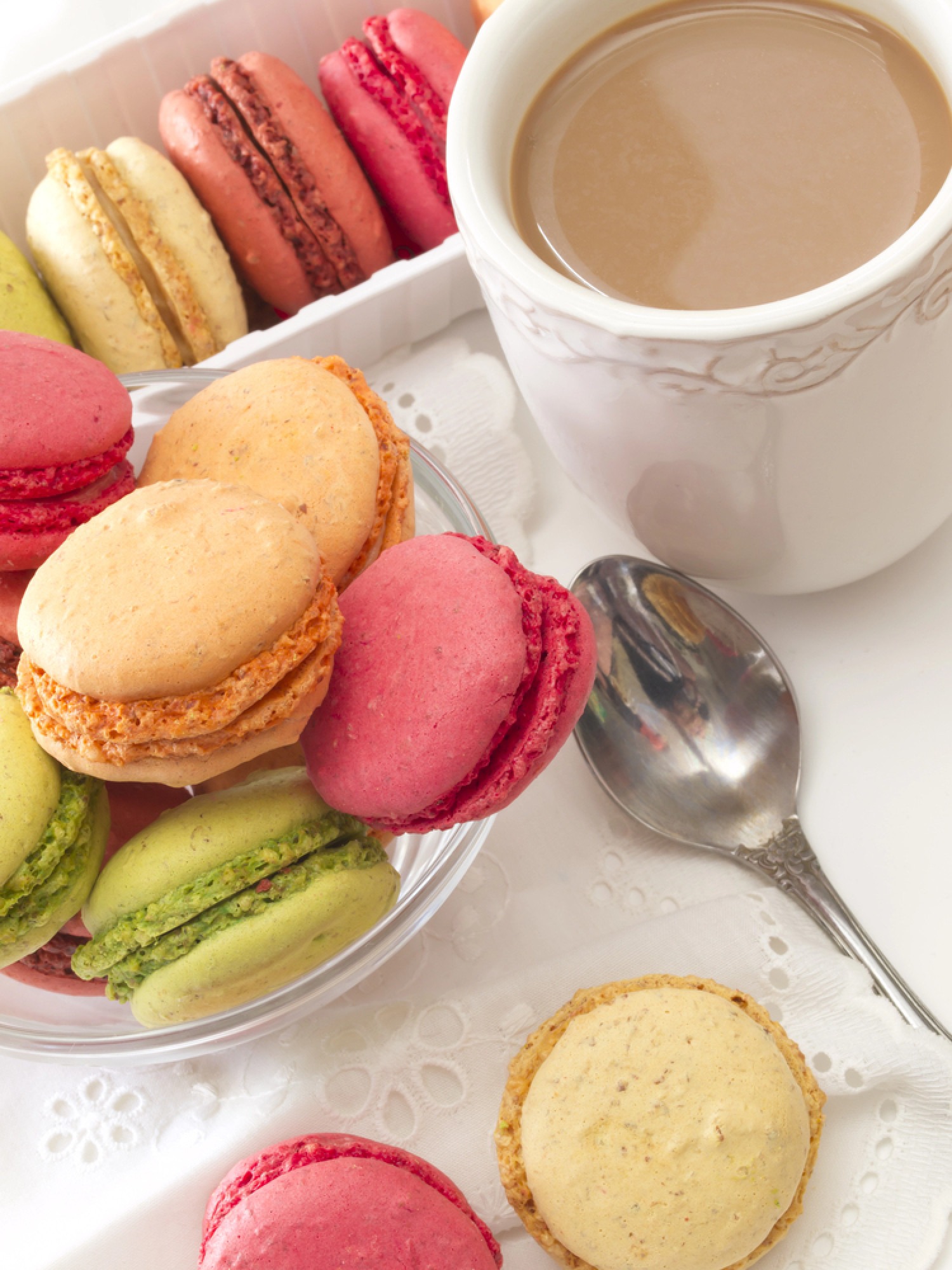
Tonka is popular in perfumery for its warm, sweet, creamy aroma, reminiscent of vanilla, almond, caramel and a touch of cinnamon. In cooking, it is used mainly in desserts, creams, chocolate, ice cream and cakes, and can be grated like nutmeg. €170 for 50 ml.
Maison Francis Kurkdjian Kurky Eau de Parfum
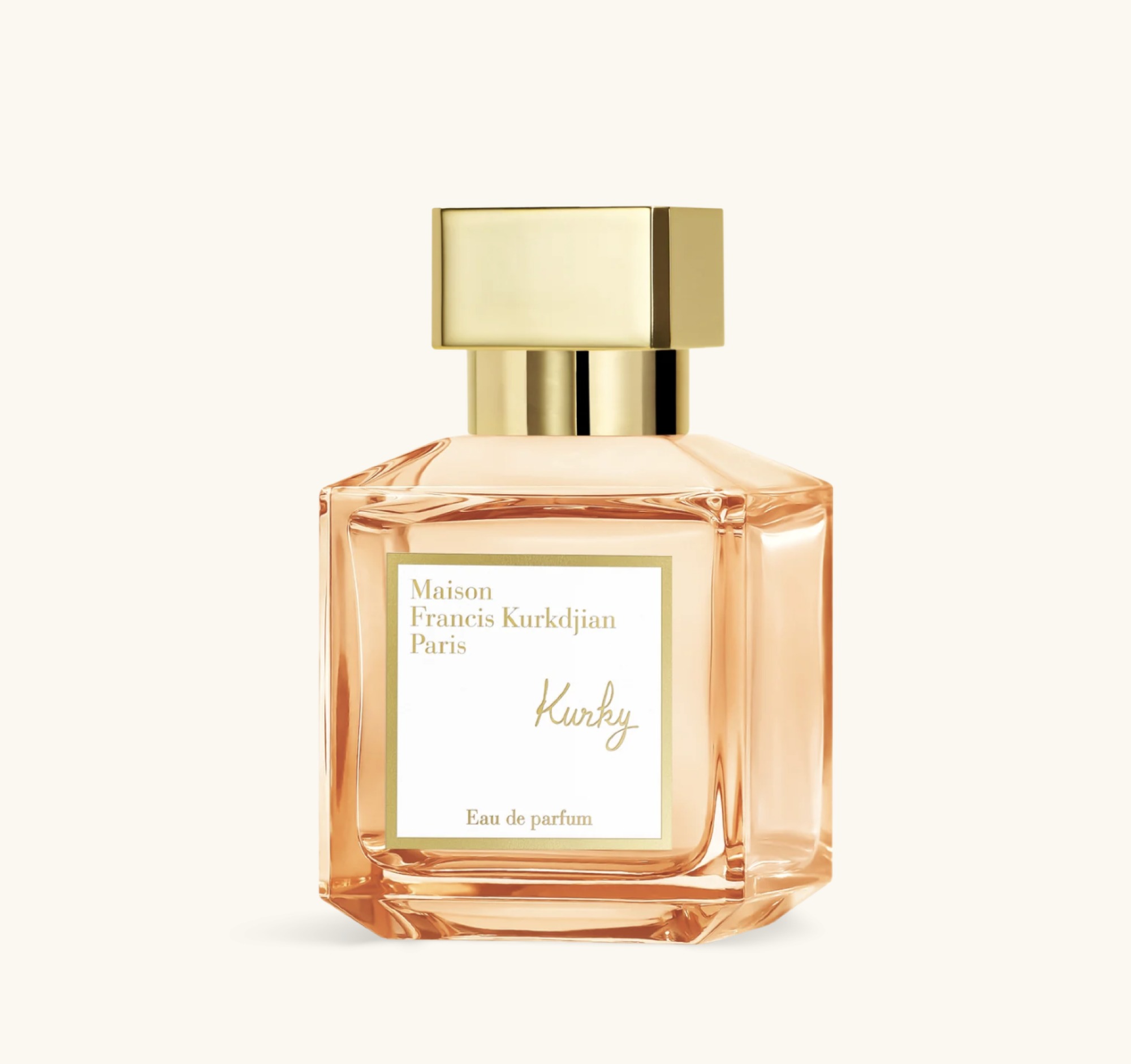
Kurky—a nickname for perfumer Francis Kurkdjian—is the sweetest offering in this niche house’s collection. Pronounced candy notes make it a return to childhood and brightly colored sweets.
Within a creamy, inviting cloud of white musk, fruity notes evoke tutti-frutti candies. The composition invites us to awaken our inner child: enchanting enough to take us into a world of dreams, carefree enough to dare us to realize them. Kurky is presented as a gourmand for adults who still dare to dream like children. €135 for 35 ml.
Penhaligon’s The Manoeuvres of the Baroness
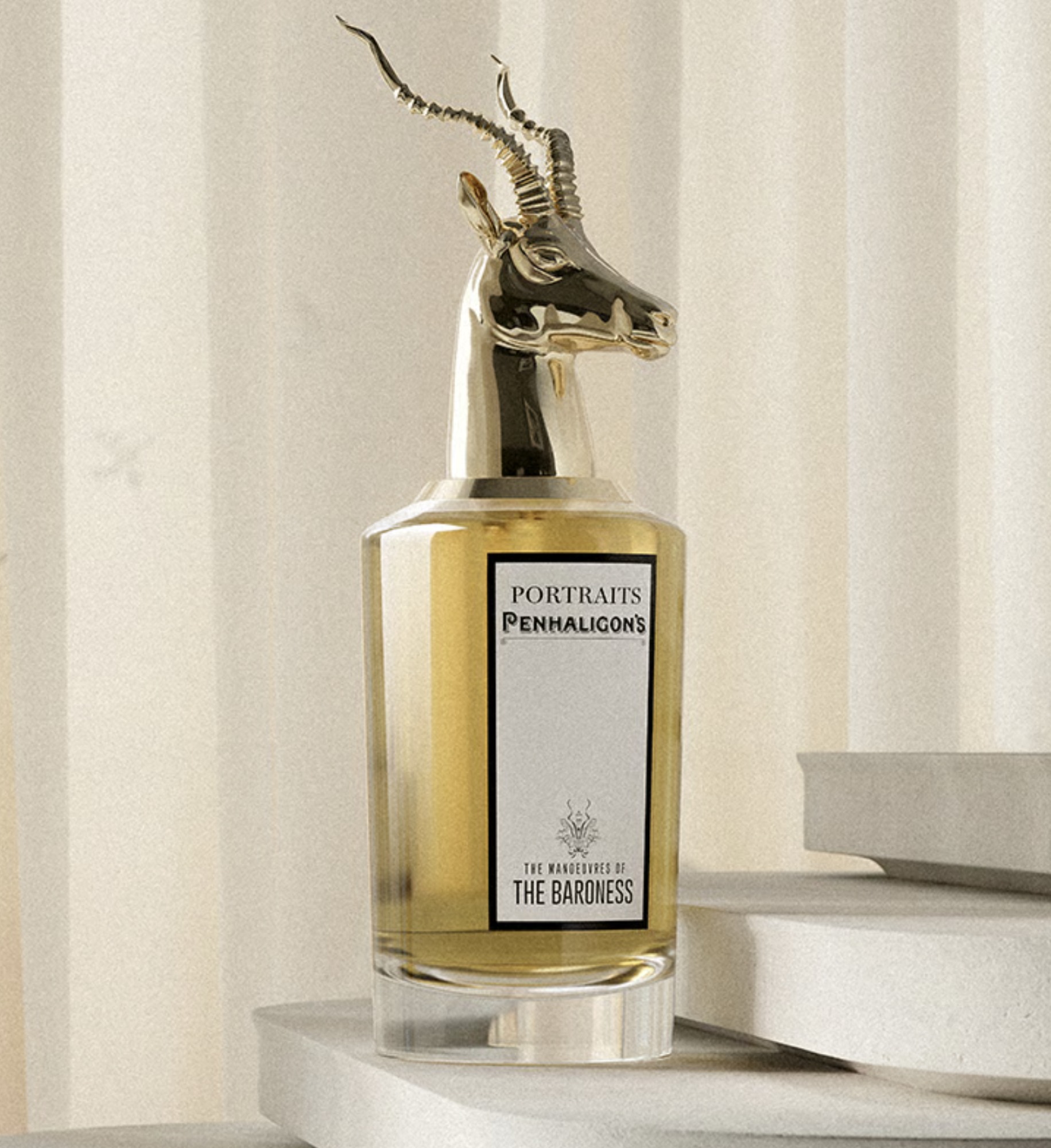
Penhaligon’s new perfume introduces its gourmand character through Chantilly cream—a fragrant interpretation of vanilla whipped cream. Orange blossom adds a softness reminiscent of delicate citrus desserts, while Italian mandarin brings freshness. The result is a more sophisticated gourmand: closer to a creamy dessert with a citrus accent than a conventionally sweet perfume. Imagine vanilla whipped cream, citrus desserts and mandarins. €275 for 75 ml.
From a French Château to a Symbol of Pastry Elegance
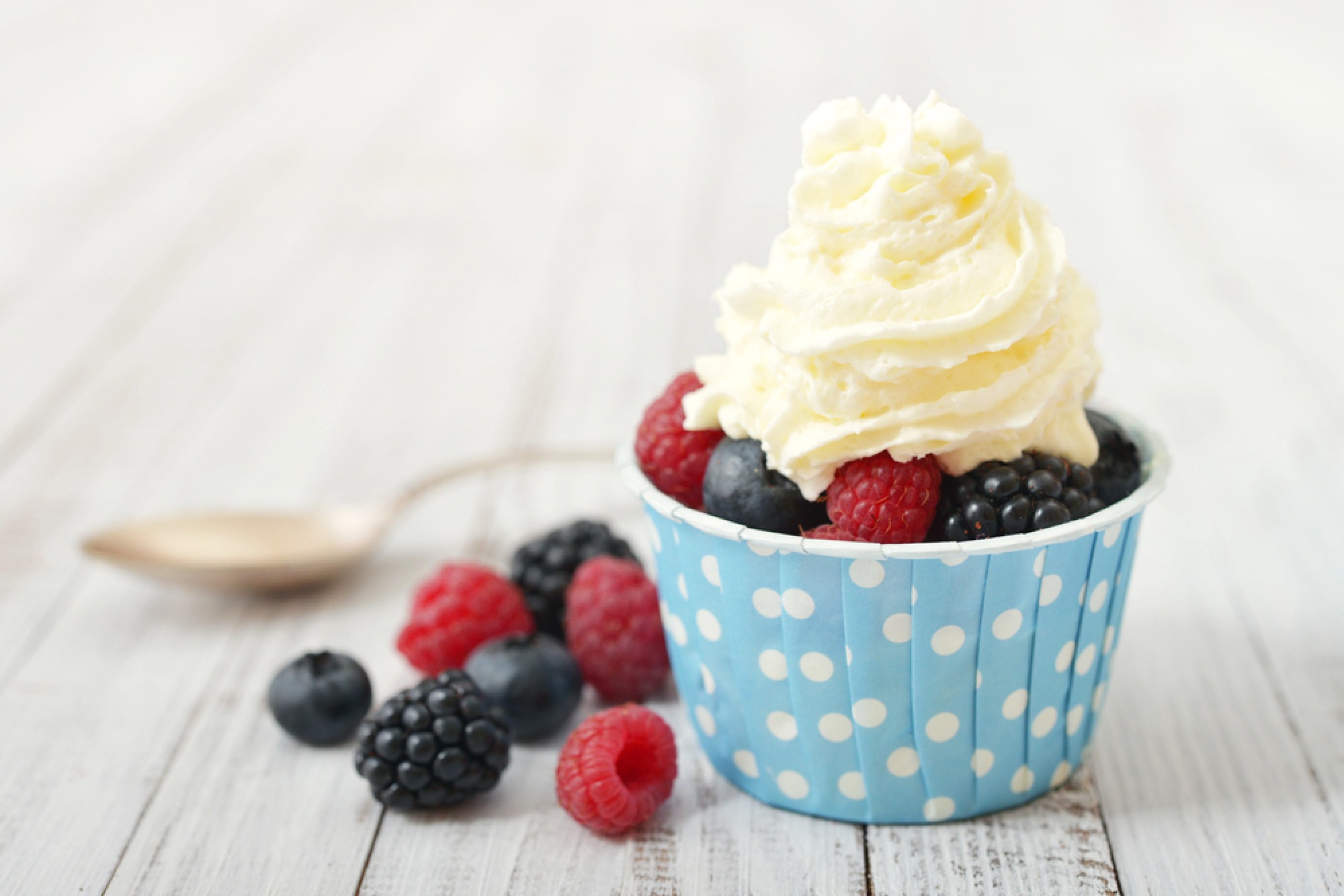
Chantilly did not originally refer to vanilla or a particular ingredient. Over time, the name became a culinary synonym for sweetened whipped cream.
The invention of crème Chantilly is often attributed to François Vatel, maître d’hôtel at the Château de Chantilly in the mid-17th century, although there is no historical evidence for that claim. The name first became associated with whipped cream in the mid-18th century. Baroness d’Oberkirch praised a cream served at a lunch in the Hameau de Chantilly, but did not specify its nature or call it Chantilly cream.
The term crème Chantilly became more widely used only in the 19th century.
The name is thought to have been chosen because the château had become a symbol of refined cuisine.
Rustic Charm Concealing Luxury
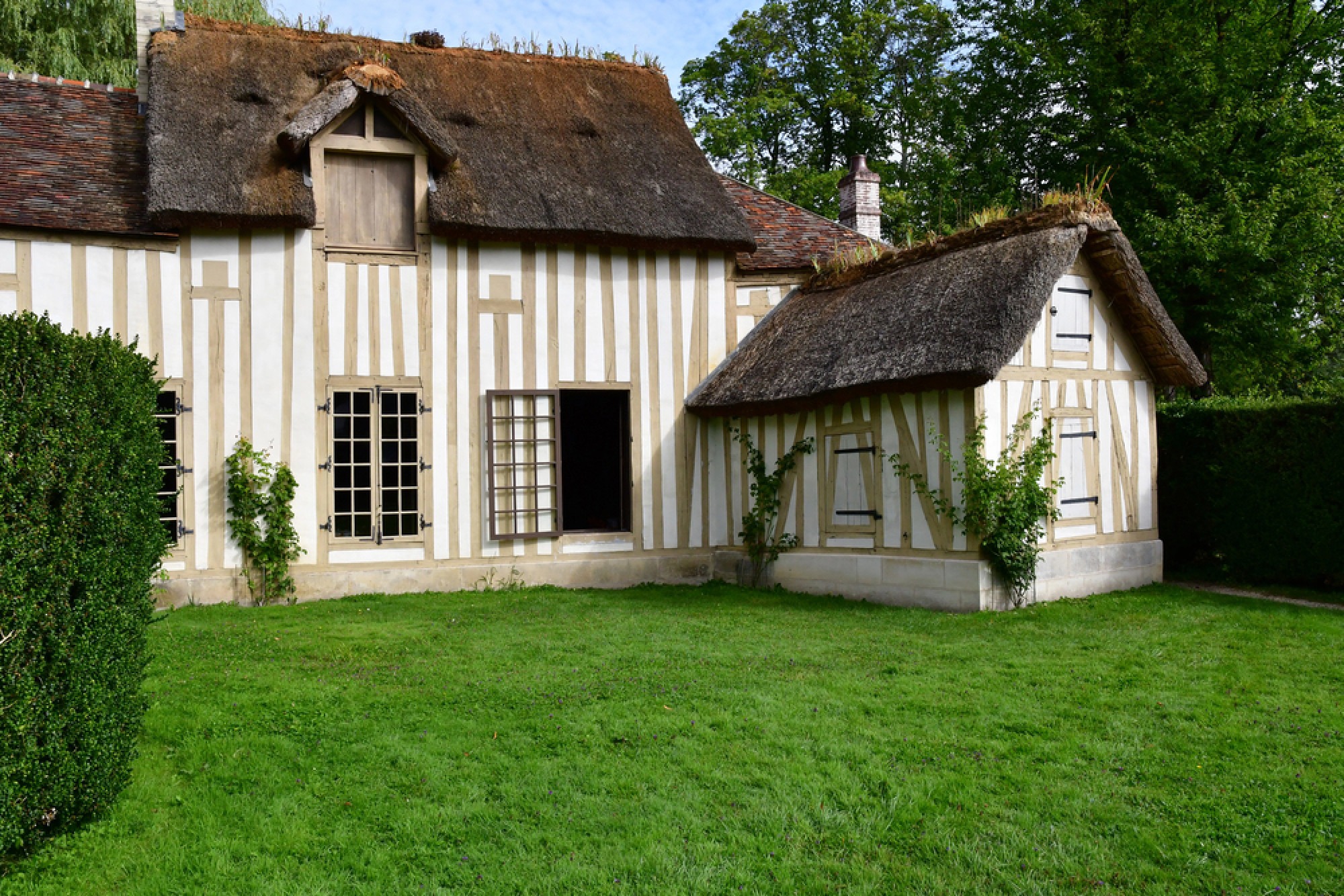
The Hameau de Chantilly, or Chantilly hamlet, is an architectural attraction in the grounds of the Château de Chantilly, built in 1774. It comprises seven rustic, thatched-roof cottages with lavishly decorated interiors, set within a garden.
Louis Joseph, Prince of Condé, commissioned architect Jean-François Leroy to design the cottages. They served as a salon, billiard room, dining room, kitchen, mill, stable and reading room. The contrast between simple rural exteriors and luxurious interiors surprised visitors. The hamlet’s success and reputation later inspired Marie Antoinette’s Hameau de la Reine in the gardens of the Petit Trianon at Versailles.
The Hameau de Chantilly survived the French Revolution and was restored by Henri d’Orléans, Duke of Aumale, after his return to Chantilly in 1870. In 2007 and 2008, the cottages’ exteriors were restored using historic watercolors and engravings. Their original sumptuous interiors, however, disappeared during the 19th century. The former mill now houses the restaurant Aux Goûters Champêtres.
Le Labo Thé Matcha 26
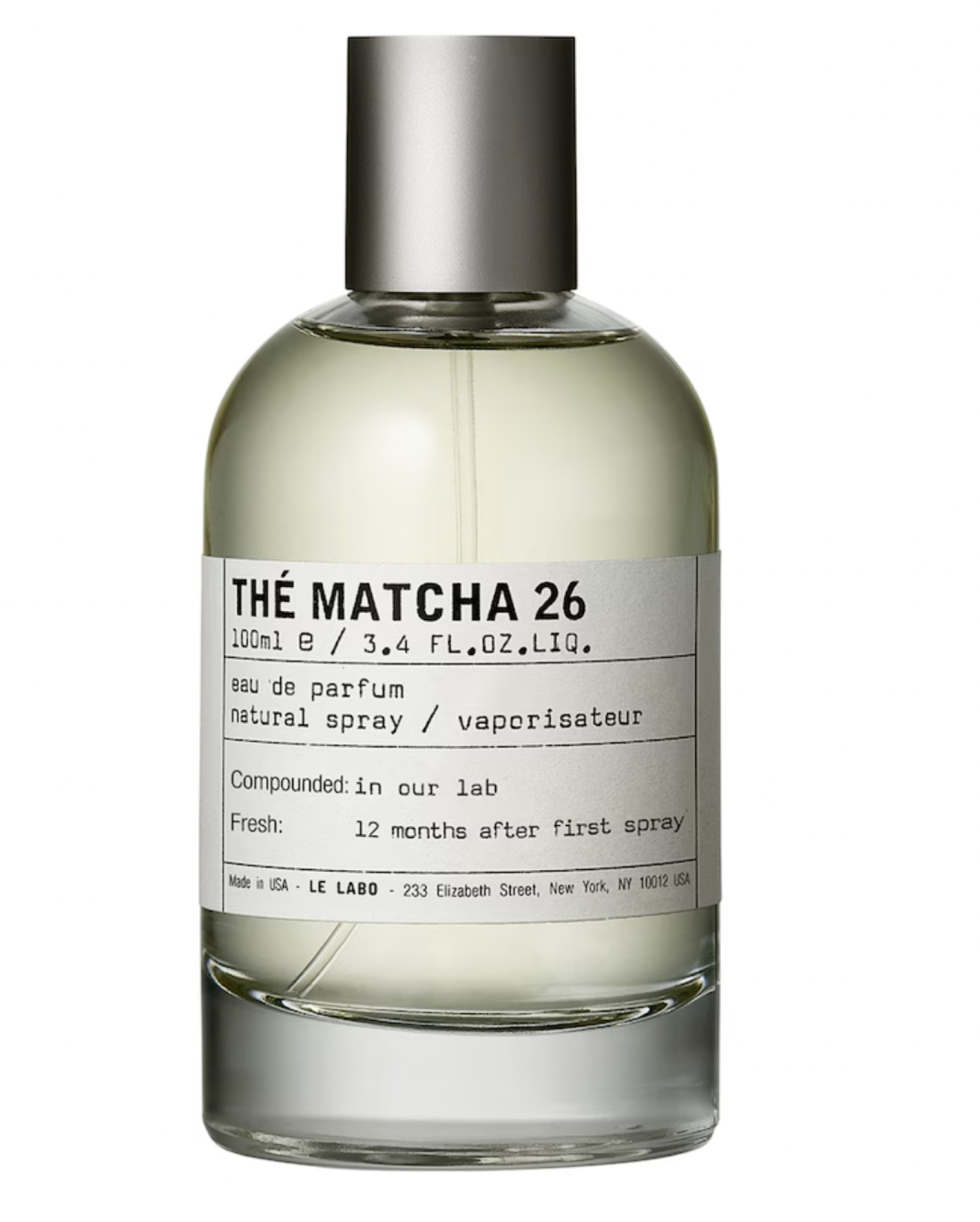
Finally, a house whose every fragrant step I follow. Thé Matcha 26 takes inspiration not only from matcha as an ingredient, but from the atmosphere of tea in Japanese culture: a moment of introspection and a return to oneself. It pairs a matcha accord with creamy fig, while soft vetiver and textured cedarwood add depth and bitter orange brings freshness.
The result has a gently sweet, almost edible dimension, offset by bitter orange. It is more an elegant expression of a tea ritual than a classic sweet gourmand. Very chic—and proof that the most powerful weapon sometimes comes in a small bottle. €93 for 15 ml.