Welcome to Prestiž, your roundup of inspiring stories, recommendations and insights from the worlds of travel, gastronomy, art, luxury and lifestyle.
Writing to you is Natasha Davidov, editor-in-chief of Bloomberg Adria Prestiž.
Inspired by last week’s story about how books and pop culture shape our travels, this week’s article about India as a nation of readers, and the fact that I’m currently on holiday, this newsletter is a little different: my research experience exploring luxury jewelry, gemstones and a few other things on a trip to Jaipur, the capital of Rajasthan in northwestern India.
If you’re interested in a different kind of journey, discover how far a single train ticket can take you across Europe. A little preview: 4,400 kilometers, four countries, nine cities, five villages and thirty days—the trip taken by our journalist Hana Stevović.
Or explore the region’s wine scene, whose labels are increasingly winning prestigious international medals. Our wine expert Nenad Basarić visited smaller wineries too. Follow his guide and surprise even the sommelier the next time you sit down at the table.
What Lies Behind Jaipur’s Pink Facades?
I didn’t come to Jaipur in 2019 as a tourist, but for work. The trip took me through handmade-jewelry workshops and meetings with producers who make up one of the world’s largest centers for gemstone processing. I always read while traveling, and at the time it was The Henna Artist by Alka Joshi. The story follows Lakshmi, a young artist who flees an arranged marriage to Jaipur, where her art of painting skin with henna brings her close to wealthy people and their secrets — a world that is at once lavish and fascinating, but also poor and cruel.
It felt as if I were walking through the pages of that book: through opulent palaces and colors, a rich tradition, but also through a world in which a woman’s fate, her social standing and her possibilities are often predetermined by the place she was born into.
Although the novel is set shortly after independence, in the 1950s, my impression was that not much has changed even after 70 years. Known as the “Pink City”, Jaipur received its distinctive terracotta color in the 19th century on the occasion of Prince Albert’s visit — a color that is, incidentally, a symbol of hospitality. Today those pink facades, palaces and lavish architecture leave the impression of a city from a fairy tale.
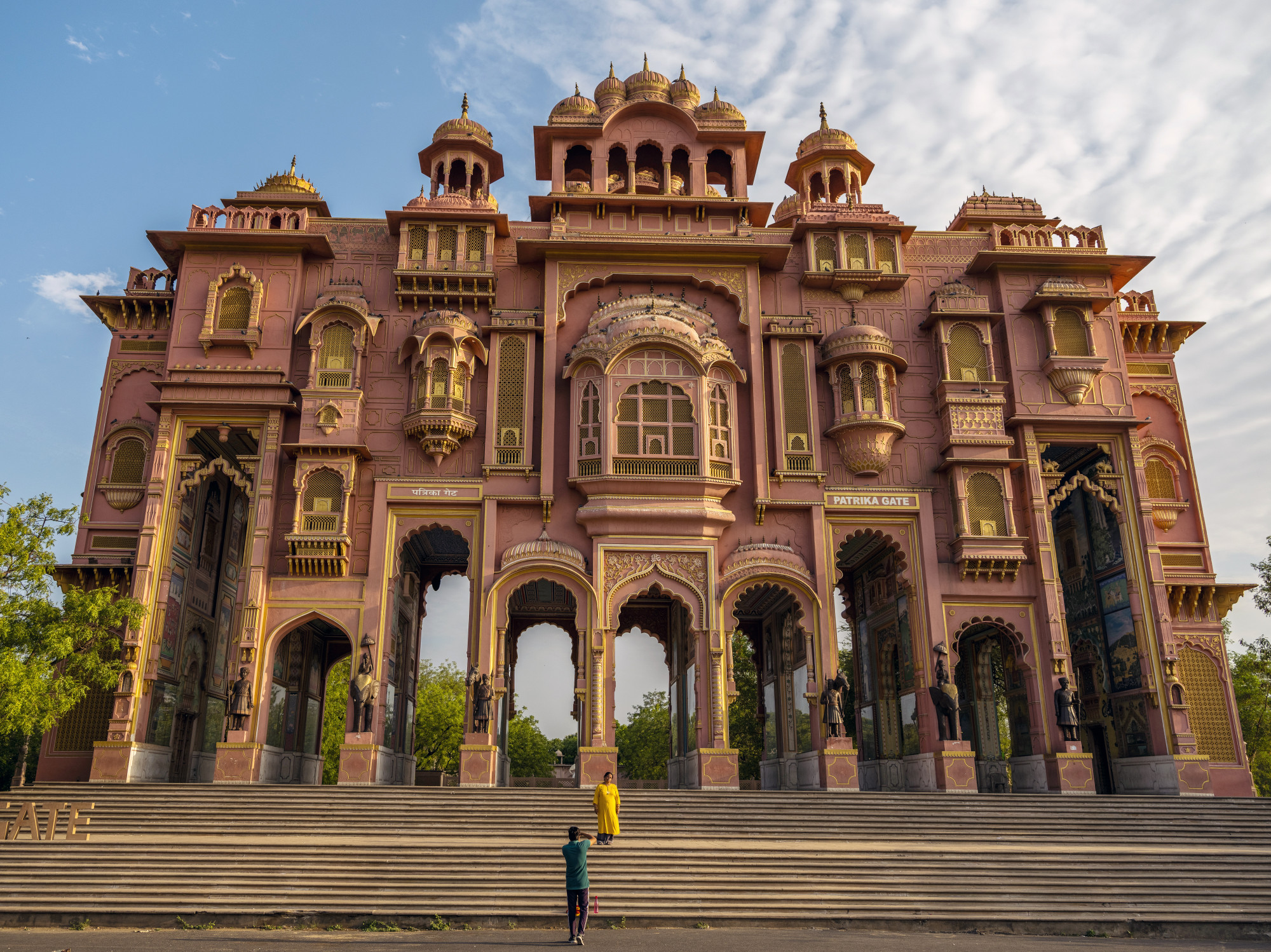
The City Palace was built in 1727 by Maharaja Sawai Jai Singh II, who also founded Jaipur. Its earlier guests included former US president Bill Clinton, Princess Diana and Jackie Kennedy, and a few years ago the palace began renting out for $8,000 a night — for the first time in its history.
But the Hawa Mahal palace, with its 953 windows through which royal women could once watch the street while remaining hidden from view, is perhaps the best symbol of that world — beautiful on the outside, but built on restrictions.
As in the novel, what you see from the outside is only one layer of the story.
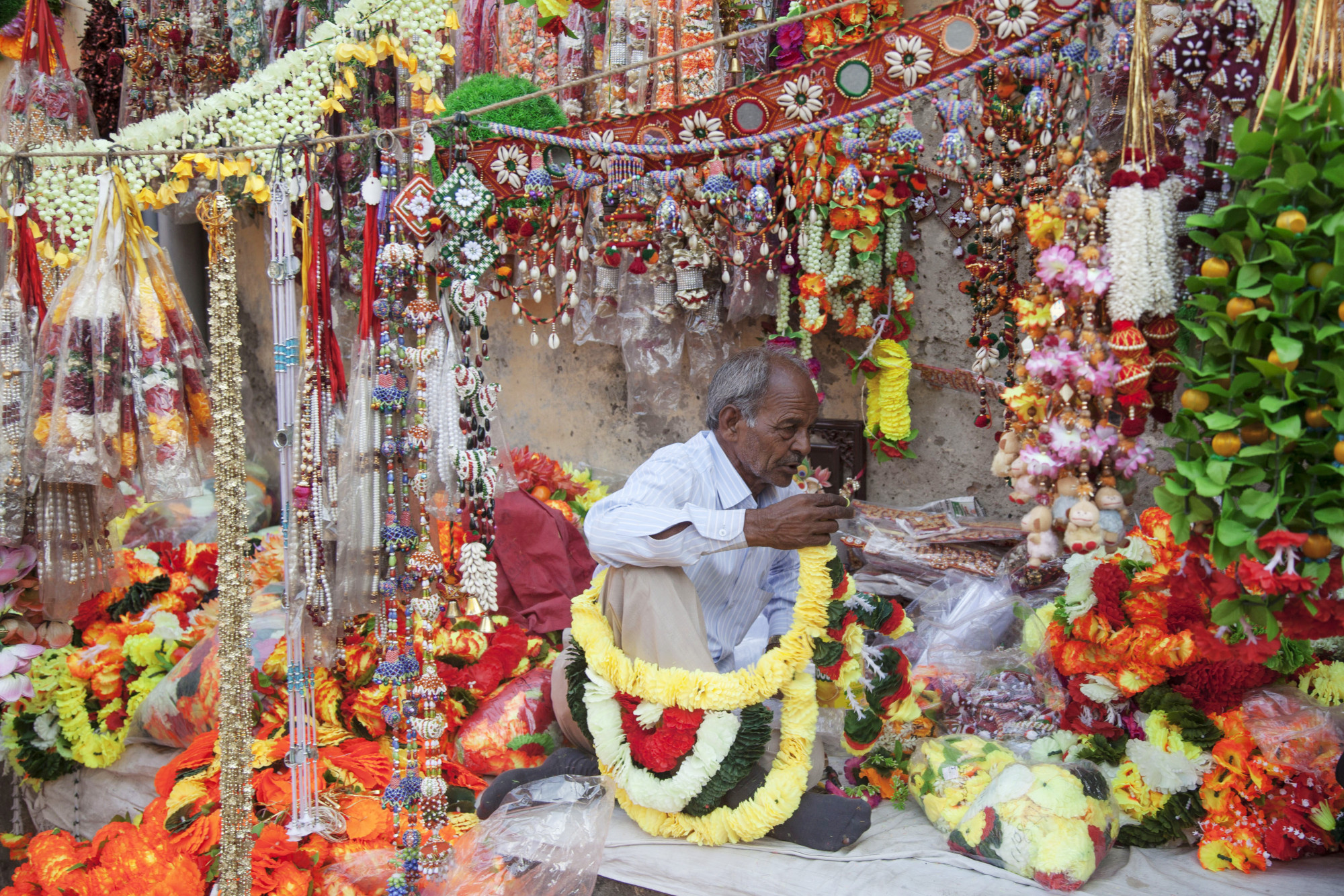
Jaipur is a city of gemstones (it is not said without reason — “rich as a rajah of Jaipur”), but also a city in which the other side of reality is visible literally in front of and around the lavish buildings. Although this was not my first time in India (my previous experience was New Delhi), I am always shocked anew by the contradiction between enormous wealth and extreme poverty that is hard to imagine until you see it. You can read more about traveling solo as a woman in Delhi here.
And speaking of wealth, discover five literary answers to the question: how did they get rich while I didn’t?
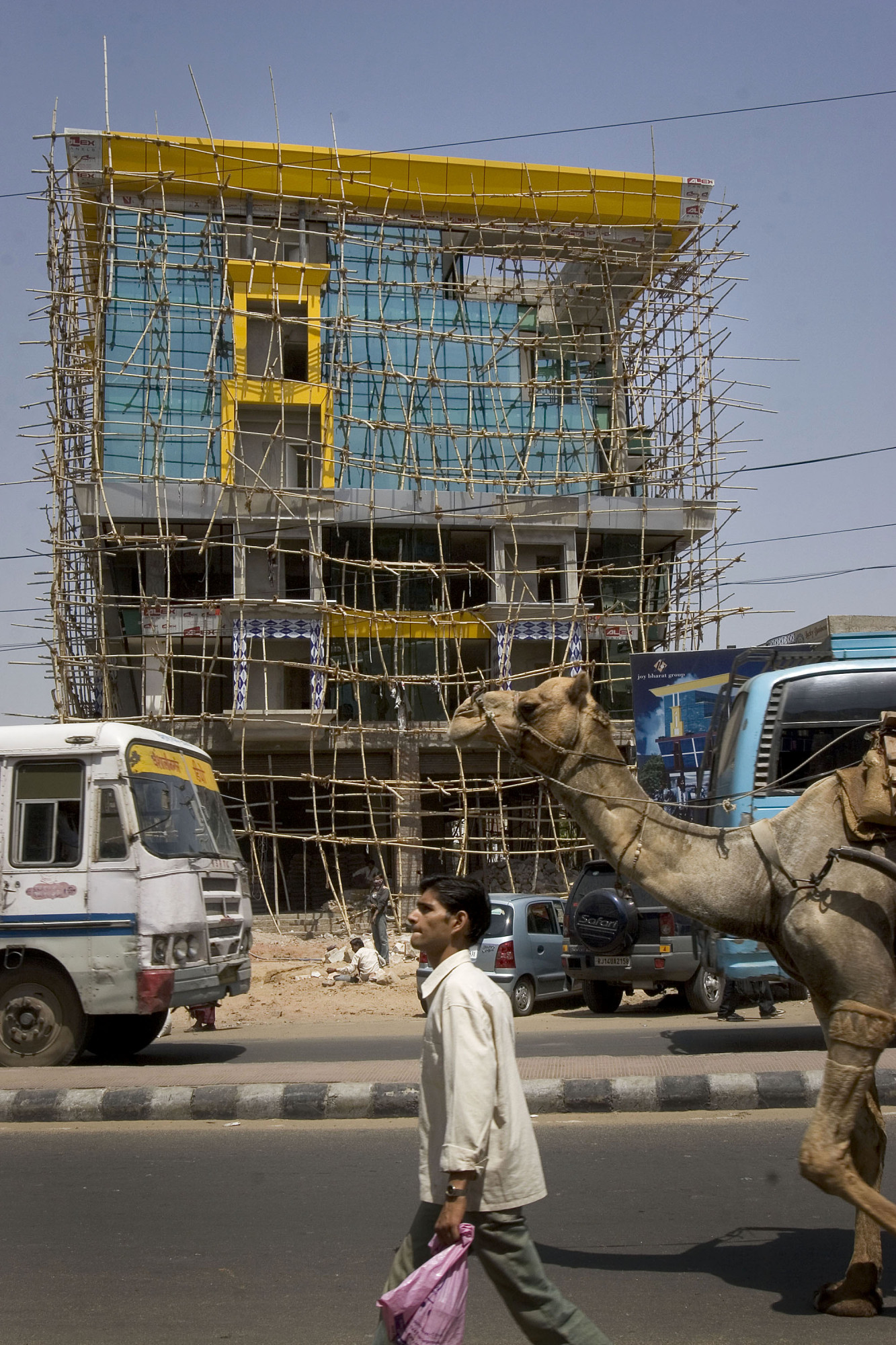
Because of work and my hosts, I had the chance to experience the city in a way most tourists never see. Jaipur has been famous for jewelry-making for centuries — for techniques such as kundan, meenakari and the handcrafting of precious and semi-precious stones. In the workshops, old craft traditions intertwine with modern production for the global market (you would be surprised how much of the jewelry sold under world brands for considerable sums is actually made in India).
Jaipur and the state of Rajasthan hold a large share in the production of gemstones, silver and traditional jewelry. When those pieces reach the Western retail market, the difference in price can be manifold — even ten to twelve times the basic production price. The price largely depends on whether it is mass-produced alloy jewelry or a designer piece of precious metals with precious or semi-precious stones. Rajasthan accounts for roughly 17.5 percent of India’s total exports of gemstones and jewelry, dominating production — around 90 percent of India’s meenakari jewelry exports and around 60 percent of kundan jewelry exports come from that very region.
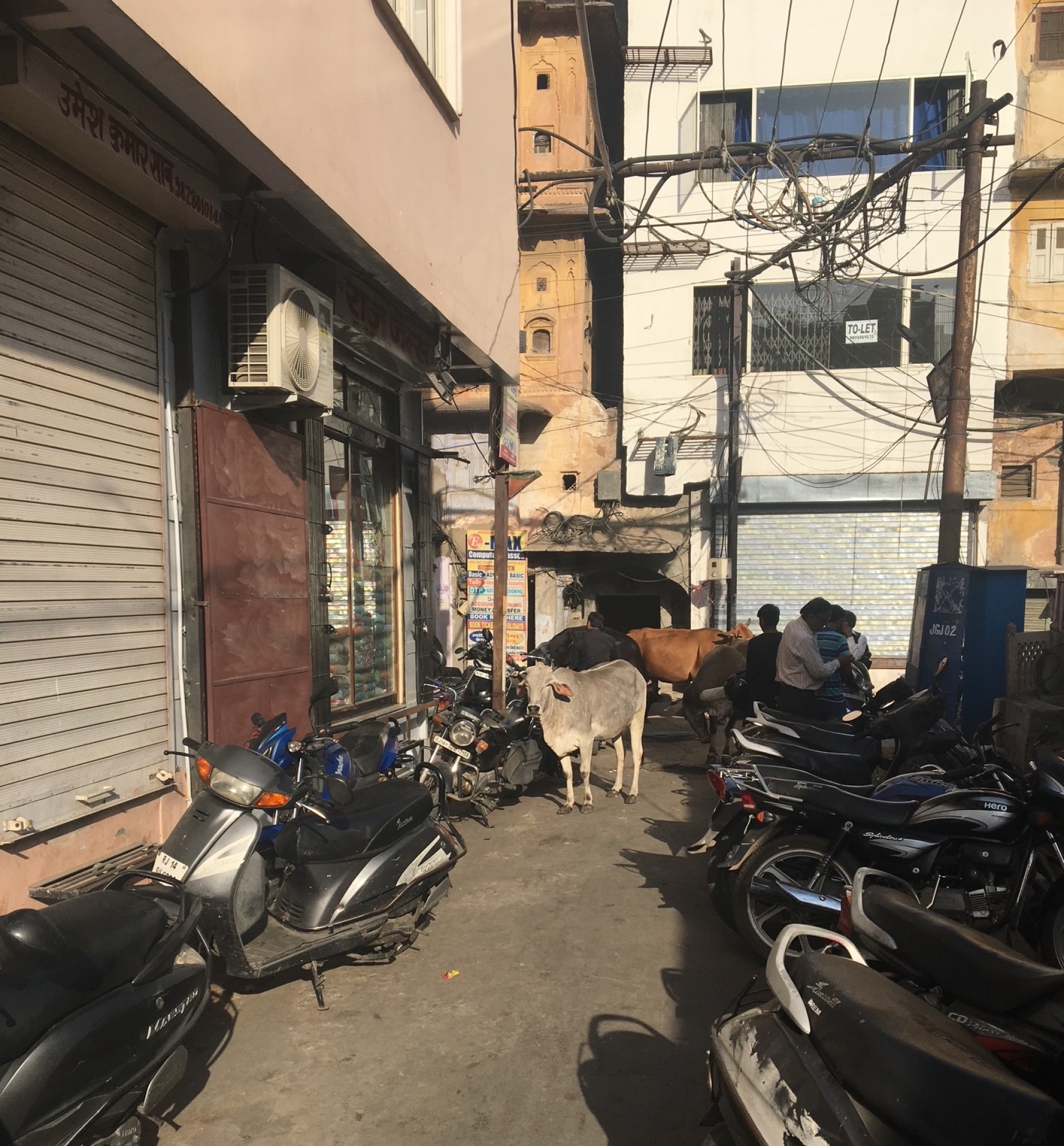
At one meeting I was in the building of a man said to be, after the maharaja (who today has only a ceremonial role), one of the richest people in Rajasthan. He is one of the largest sellers of jewelry-making materials. Cows were waiting for me at the entrance of the building.
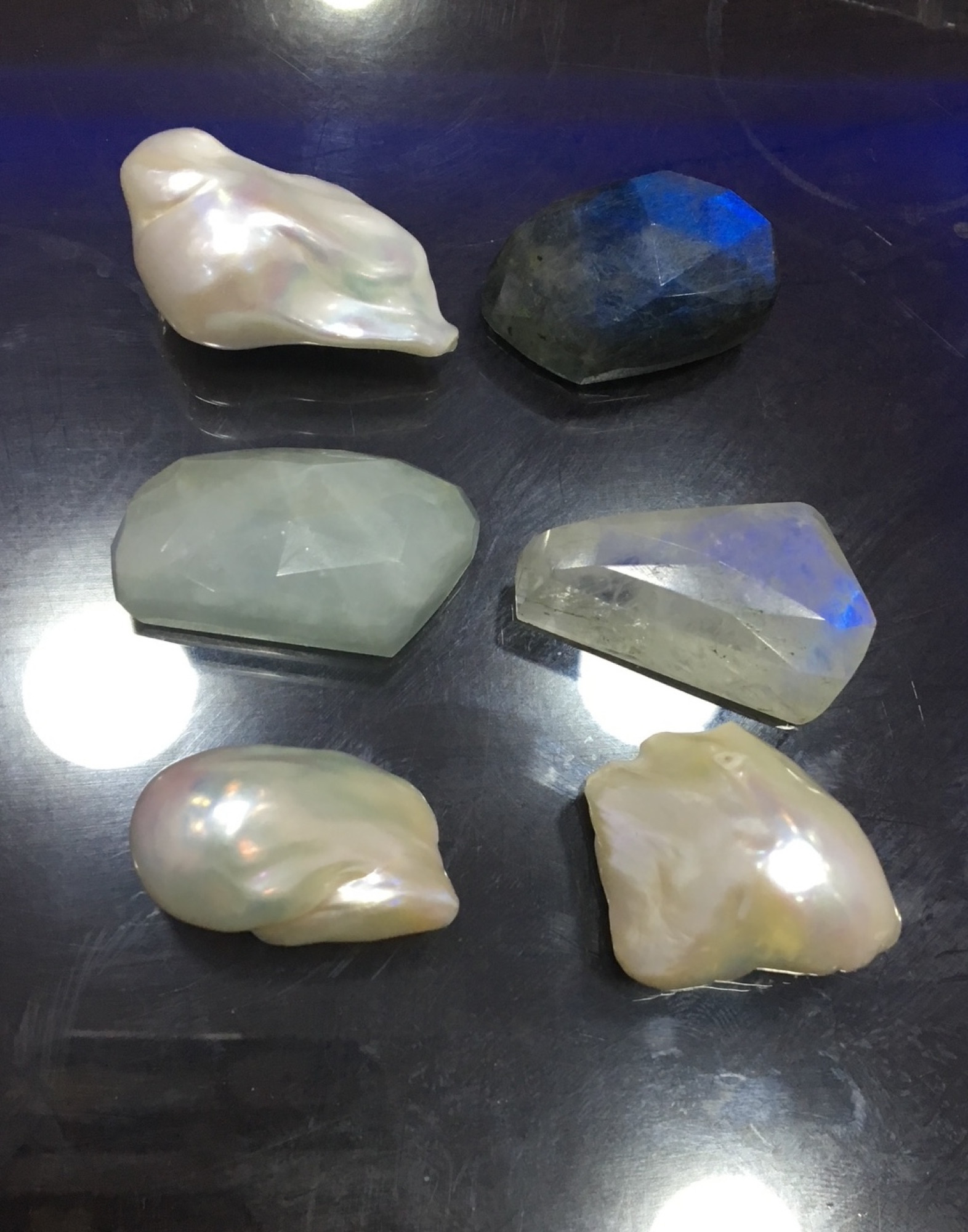
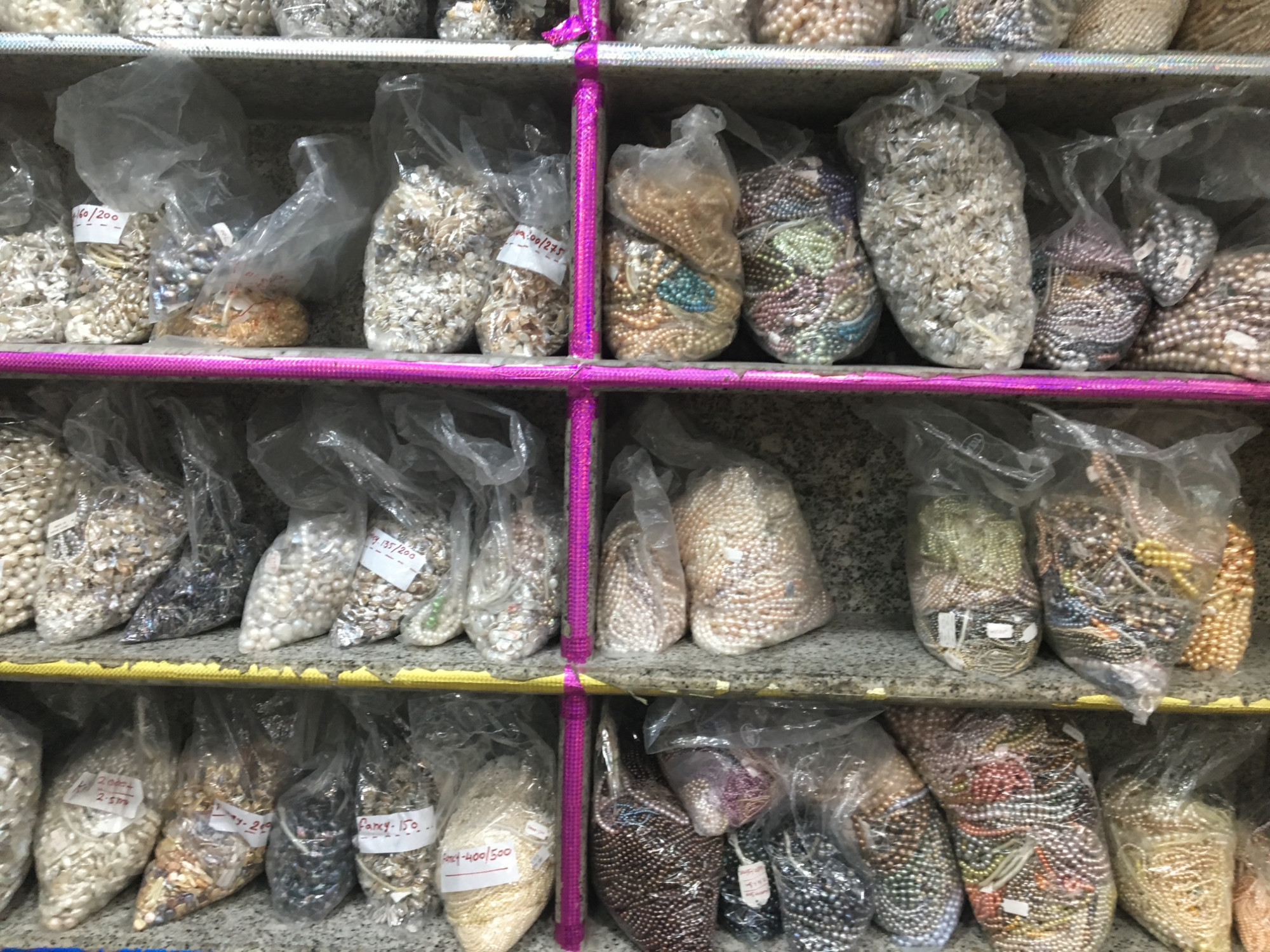
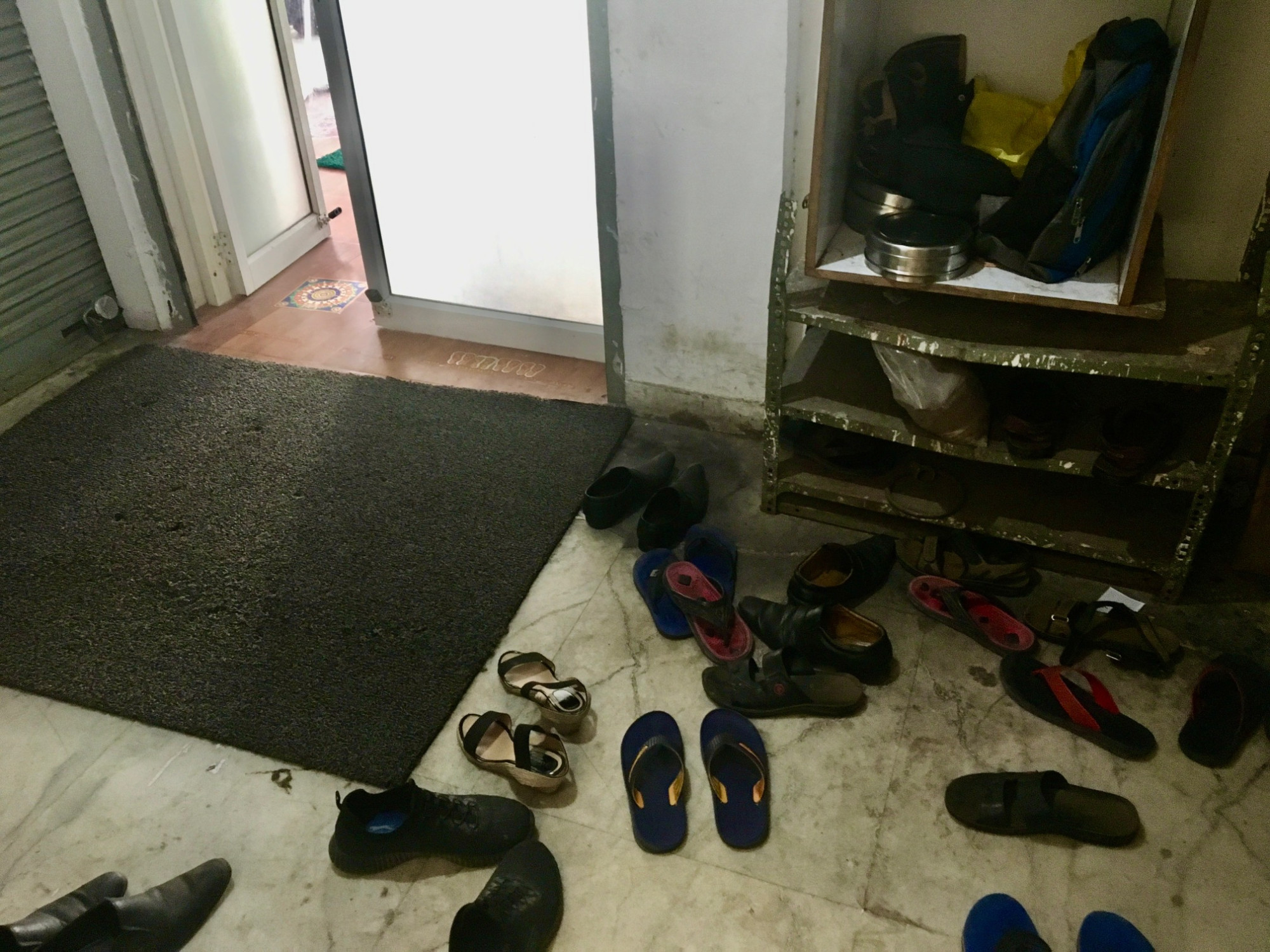
Inside, across several floors of an outwardly unremarkable building, were workshops and rooms full of pearls and other gemstones of various kinds, some of which I had never seen before. The employees — all men, sitting on the floor.
The owner welcomed me dressed like Gandhi and, as a welcome, invited me into his private Hindu temple located in the basement of the building.
At one point I realized I had been left alone, locked inside the temple. Surrounded by ritual scents and in a situation I had not expected, I felt uneasy…
The Hindu religion is present in everyday life in many ways. In business negotiations, decisions and relationships, people often invoke fate. For some, a conversation with one of the many gods that morning will later be the reason for a certain decision or a better price — as was (luckily for me) the case with my host that day. Unlike the Western world, where business and spirituality are often separated, there they intertwine.
And not only because of this episode — throughout my stay I had the impression that the position of women is still very complex, and that this is a deeply patriarchal, even misogynistic society. Men move in groups through the streets and dominate public space, business meetings, workshops and factories.
From my flight from Oman, where again there were only men — workers coming from jobs in the UAE, the pilot and the cabin crew — to the business world, everywhere I noticed the same imbalance.
Read about a similar imbalance in the stories of the Balkans’ heroines of the Great War in an article by Nataša Kočiš.
Although I often travel alone, Jaipur is one of the rare places where I felt unsafe. And it wasn’t just my impression.
It was confirmed by the only woman I met at the airport on my way back, at the departure gate — from Croatia, no less. An adventurer with enough travel experience for several lifetimes, she told me she had even had real unpleasantness and that, because of it, she would never come back.
What the Stars Say
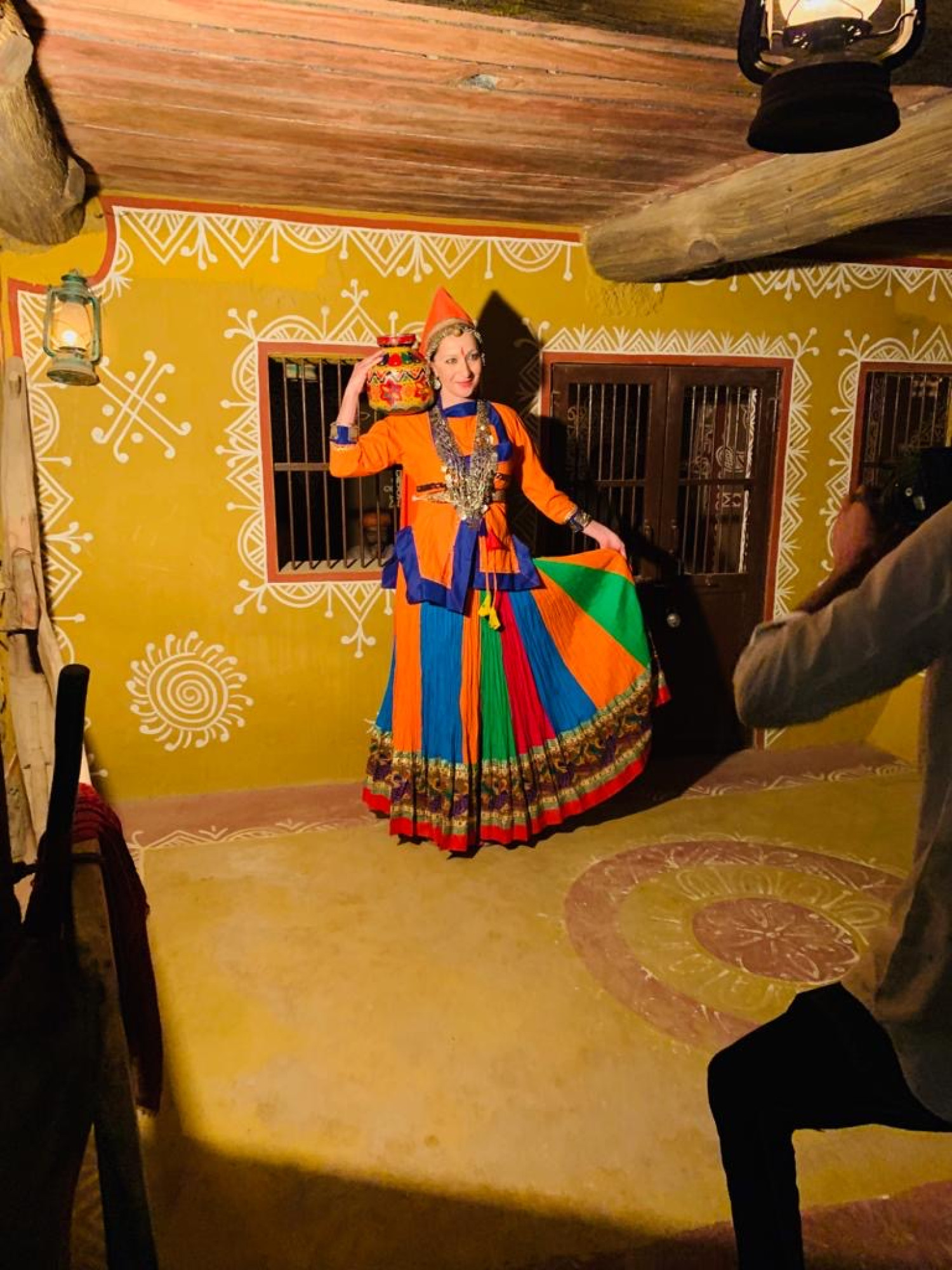
Caste and social boundaries are still very present. My host’s daughter-in-law told me that marriages are often still not left to the choice of two people alone. Family, tradition — but also astrology — play a significant role.
Future spouses frequently don’t even meet until an astrologer says the moment is favorable. And they certainly don’t marry before the stars have been thoroughly analyzed. She had seen her husband only twice before the wedding, but the planets were promising, she told me. And they are still married today…
It sounds far from the European view of love, but exactly such social structures form the background of many stories like the one in the novel I read every evening upon returning to the hotel.
Even when I later learned that all revenue from renting out apartments in the City Palace is paid by the maharaja to the foundation of Princess Diya Kumari, which supports women and artists in rural areas, it didn’t change my impression. The reason: access to power comes from one of India’s oldest and most closed social structures. Kumari is the heir of the Jaipur royal family, a politician, a member of parliament and a member of the Bharatiya Janata Party (BJP). She was married to Narendra Singh and has three children.
Interestingly, when the couple married in 1997, part of the Rajput community protested because both belonged to the same gotra — a traditional line of descent tied to a shared ancient ancestor, which in such communities is considered an obstacle to marriage. The Rajputs are a historic warrior and aristocratic community in India, particularly strongly present in the region, that is, the state of Rajasthan. Their identity has for centuries been bound to honor, ancestry, lineage, warrior tradition and strict marriage rules.
Kumari currently serves as Deputy Chief Minister of Rajasthan, where she is in charge of several portfolios, including finance, tourism, art and culture, public works, children’s rights and women and child development. She also manages the Maharaja Sawai Man Singh II Museum and Jaigarh Fort Charitable funds, as well as projects tied to the royal heritage. Among them are the Rajmahal Palace hotel in Jaipur, Jaipur House in Mount Abu, the Durga Diya Enterprises company, the Baradari restaurant, museum shops within the City Palace and the exclusive sports and recreation club Ashok Club.
She often emphasizes that “serving the people” is the goal of her public work, inspired by the ideology of Antyodaya — serving the poorest among the poor. Still, her public path is not without controversy. She has faced political criticism, particularly over the management of inherited real estate and land tied to the Jaipur royal family.
A Warning: Not for Those With a Weak Stomach!
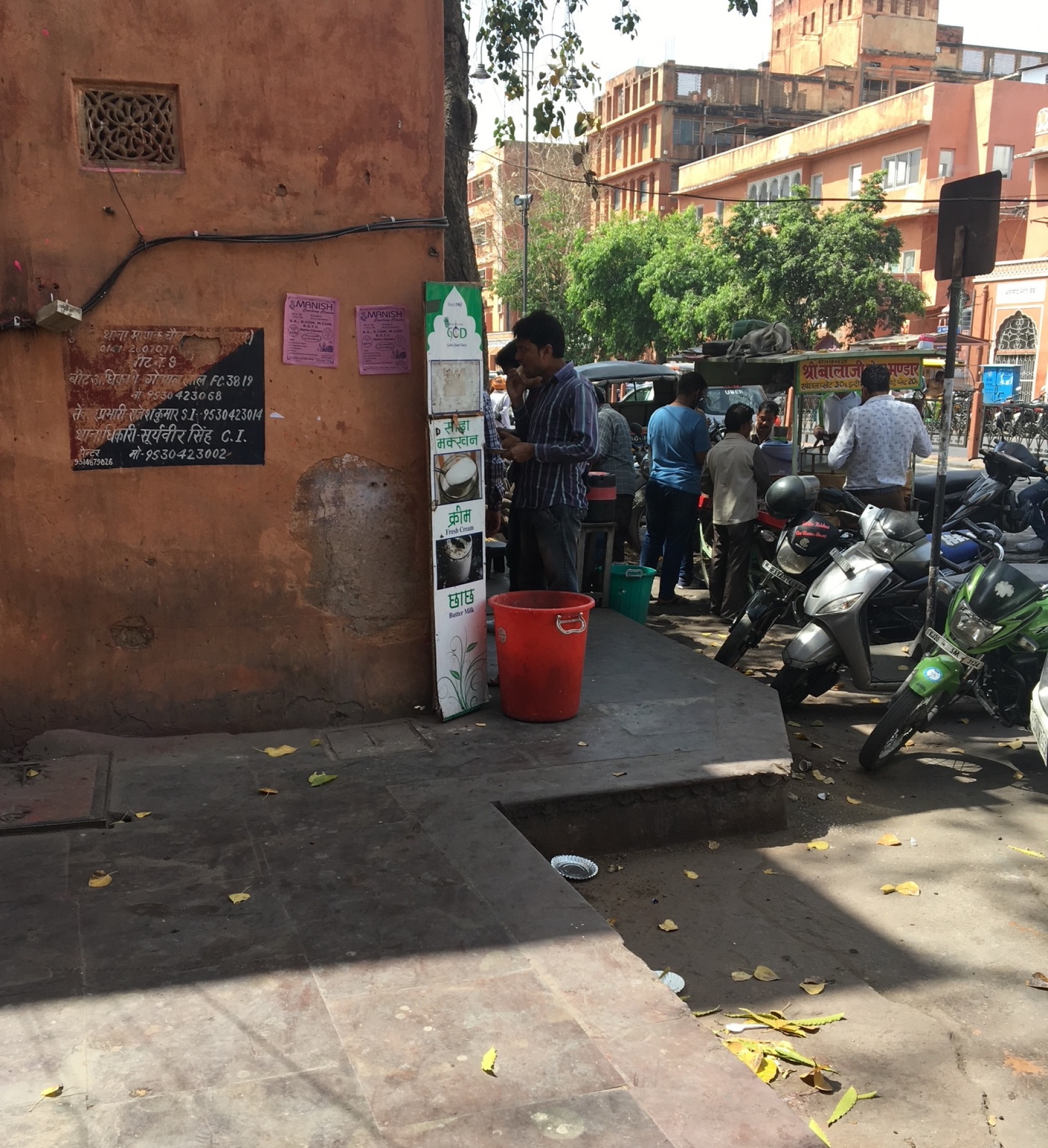
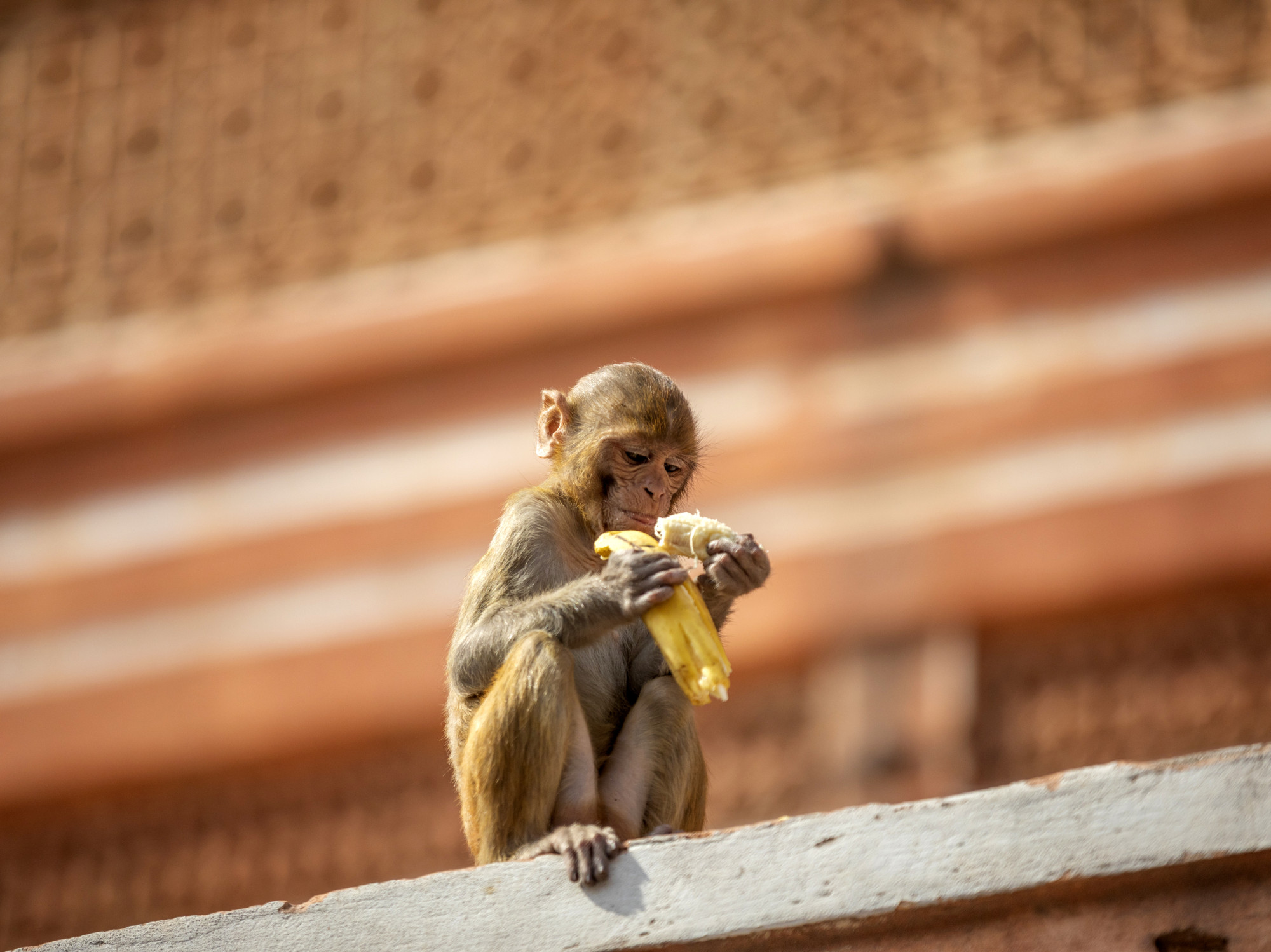
Even sightseeing didn’t look as romantic as in the books. And certainly not peaceful. At almost every step, people run after you to take a photo. When you finally find a moment of peace, there are flocks of birds that are very aggressive in their search for food. Or monkeys that want to hang out.
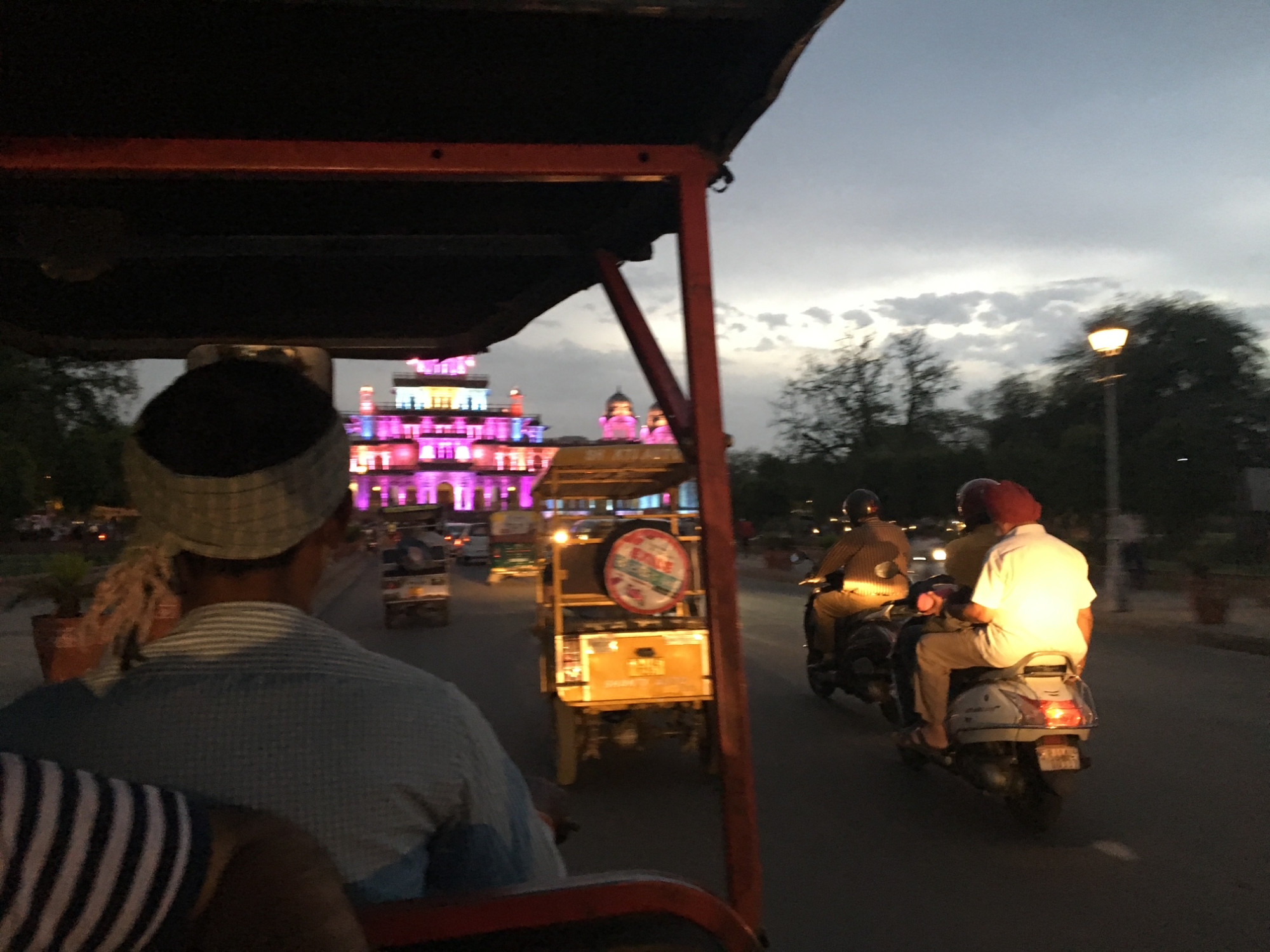
And if you use rickshaws — which you sometimes must, because you are not always accompanied by your hosts — you are never completely sure where the driver will drop you off: where you intended to go, or where it suits him.
Perhaps the hardest story is the one I heard from my host. He told me that poverty in some parts of the country is so great that there are families who deliberately maim one of their children so that it becomes part of a network of organized begging groups, which brings them some kind of income. I don’t know how widespread that is; I saw many beggars, maimed and not. The picture of reality is, in any case, worlds away from the colorful postcards.
India really does look magical in films and on the pages of novels. The scents of exoticism, the vivid colors, the henna on palms and the splendor of saris truly exist. But there are other impressions and scents too. Much heavier ones.
The smells of dust, fuel, the overcrowded streets on which the poorest lie everywhere alongside hungry dogs, and the impression of a city that doesn’t even try to be pleasant, but simply keeps living at its own intensity.
That is exactly why Jaipur stayed with me. Certainly not as the most beautiful city I have visited, but as a place that made me reconsider what remains when you take off the rose-colored glasses and scratch the facades.
If you do decide to visit, be sure to travel in company, between October and March, and be especially careful with food and water. Even if you don’t have a sensitive stomach, stomach problems are an almost inevitable part of the journey. In the end, perhaps I would have preferred to experience Jaipur only from a novel.
Because what remains when you walk its dusty streets yourself is far more complex — and far closer to a cruel reality than to a fairy tale. But then I wouldn’t be able to tell you all of this.
Have a lovely weekend!