In an episode of Netflix’s Down to Earth, actor Zac Efron meets water sommelier Martin Riese, who introduces him to ROI, a Slovenian mineral water from Rogaška Slatina. Riese explains that it contains so many minerals they can sometimes be seen with the naked eye, highlighting its high magnesium content. “This water isn’t just for hydration. It is a genuine healing remedy,” the sommelier says.
That encounter sent me looking into an unusual profession—water sommelier—and an increasingly segmented drinking-water market. I discovered that Germany alone offers around 150 premium and luxury waters, chosen not simply for their bottles or mineral profiles, but for the way they complement food. For many consumers, those pairings enrich a meal and are perceived as making it healthier.
Germany’s mineral waters are subject to some of Europe’s strictest regulation. They are the only food and drink category, the manuscript notes, subject to federal-level controls, with springs checked in annual inspections. Producers cannot simply add ingredients: the water’s natural mineral characteristics and carbonation are to remain intact.
Specialist shops are also emerging—wine merchants, but for water. Water is treated with the same respect as wine, and can cost just as much. Awareness of water sommeliers is growing in fine dining, hotels, luxury branding and among discerning private clients. I was pleased to discover an expert in our own region who could explain why water is no longer just water.
What Does a Water Sommelier Actually Do?
Aleksandar Zeremski, a sommelier and water specialist, draws a distinction between premium and luxury water. In his definition, premium water comes from an untouched underground reservoir and undergoes no treatment, preserving its natural mineral composition and what he describes as its beneficial properties. Luxury water may have a similar—or lower—mineral content, or may simply be table water without a distinctive mineral profile. What sets it apart is the bottle’s design, unusual additions such as gold particles, and prestigious brand positioning.
Speaking on TV Inspiracija, Zeremski points to a luxury water produced in Serbia exclusively for the Arab market. It combines a high-quality mineral composition with an eye-catching glass bottle and particles of 24-karat gold. By his definition, it is both premium and luxury.
As the range of products expands, so does the range of consumers. Zeremski identifies those for whom water is a basic necessity and microbiological safety the only requirement; pragmatic buyers seeking the best price without particular quality demands; and trend followers who see water as a status symbol and part of a lifestyle.
He suggests the day may not be far off when a gold-flecked bottle of water on the table of a prestigious restaurant says more about status than the most expensive champagne. Yet he also sees a growing group of informed consumers who prioritize mineral composition and perceived health benefits over packaging.
Low-mineral water dominates global markets because of its neutral taste, Zeremski says, accounting for as much as 90% of the water people buy. Premium waters offer a wider range of flavors—from tart to slightly bitter or sweet—depending on their mineral composition and concentration. A water sommelier’s job is to explain those nuances and recommend food pairings.
Water Sommeliers: A New Face of Fine Dining
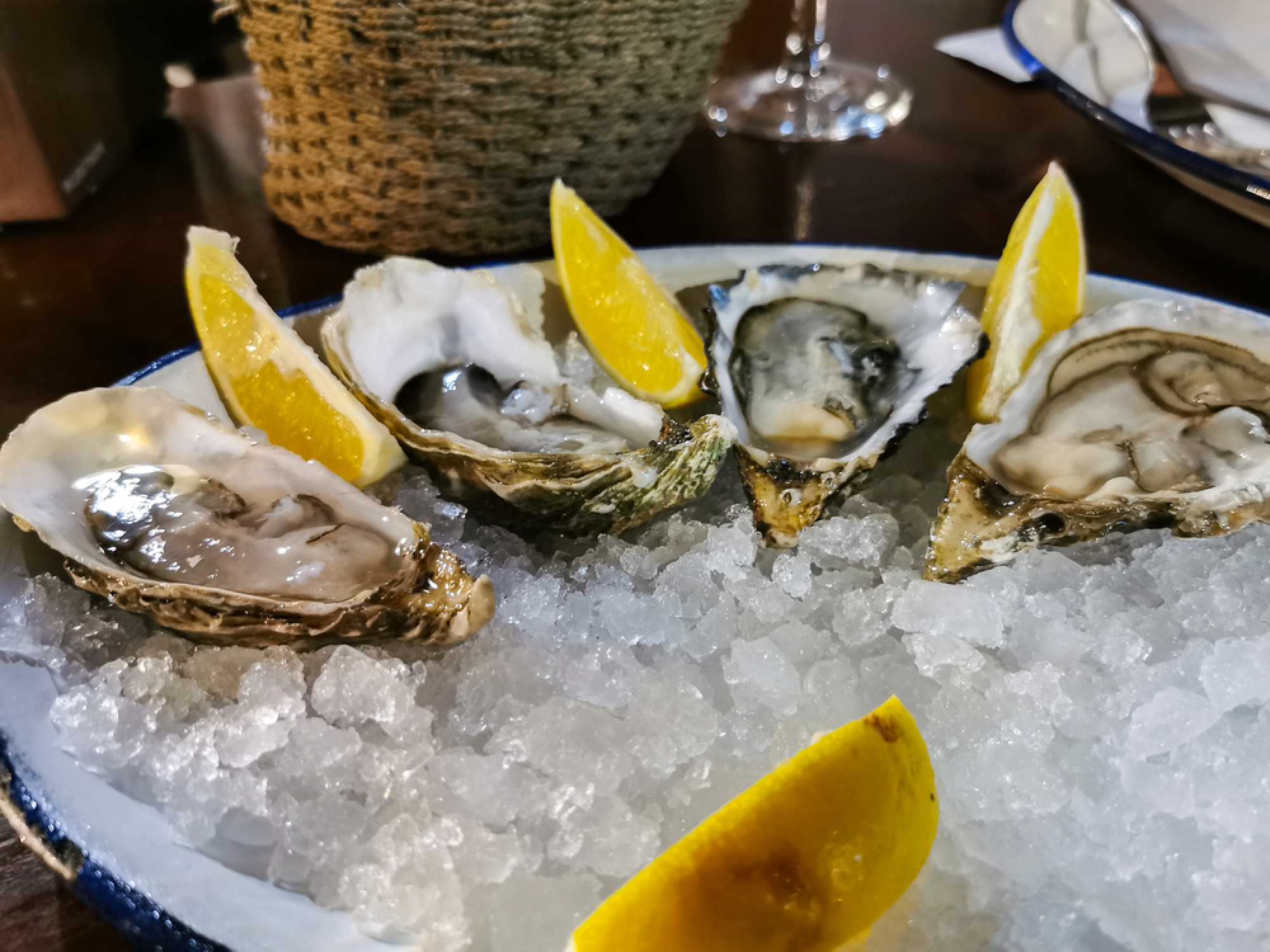
Consider ROI. The Fine Waters website recommends it as a contrast to delicate oysters: its high mineral content and natural carbonation create a distinctive combination. “It is like eating an oyster in the foam of ocean waves,” the site says.
Fine Waters also describes how Scandinavian chocolatier Peter Svenningsen uses premium water in ganache, producing a more intense, cleaner flavor than milk or cream would deliver. His choices include ROI, Iskilde and Svalbardi.
With 7,481 milligrams of dissolved minerals per liter, ROI is marketed as a natural elixir and recommended alongside rich, smoky flavors such as Texas barbecue.
The price of these bottled treasures can be considerable. Some reach extraordinary sums. Acqua di Cristallo Tributo a Modigliani, featuring gold and diamonds, entered the Guinness World Records after selling for $60,000 at auction in 2010. Its glass bottle, covered in 24-karat gold and inspired by the art of Amedeo Modigliani, was sold in Mexico City, with proceeds donated to efforts against climate change.
Bling H2O targets celebrities and the prestige market with a gold-detailed bottle priced at $2,700.
Japan’s Fillico Jewelry Water comes in crystal-adorned luxury bottles. The water is sourced from the renowned Nunobiki spring in Kobe, within Rokko National Park, protected from industrial and agricultural development. Production is limited to 5,000 bottles a month. A 720-milliliter bottle costs $1,340.
Svalbardi Polar Iceberg Water originates from the glaciers of Kongsfjorden, with ice said to be 4,000 years old. Carefully controlled melting and quality checks underpin its limited-edition positioning, with prices ranging from €99 to €6,000 for collectors’ editions.
The Most Expensive Waters: Standard Packaging, Per Liter
The following ranking lists prices per liter for standard packaging, rather than the exceptional or collectors’ editions described above. Source: Svalbardi.
- Fillico Jewelry Water, Japan — $1,390 per liter
- NEVAS, Germany — $1,180 per liter
- Bling H2O, United States — $219 per liter
- Svalbarði, Svalbard, Norway — $185 per liter
- Ô Amazon, Brazil — $110 per liter
- Uisge Source, Scotland, United Kingdom — $94 per liter
- ROI, Slovenia — $59 per liter
- MINUS 181, Germany — $50 per liter
- Berg, Canada — $46 per liter
- BLVD, Tasmania, Australia — $27 per liter
These are the prices reported in the original June 28, 2025 article, not current retail quotations.
From the Glass Into History
The ROI water that caught Efron’s attention has a history preserved in the records of European courts, physicians and alchemists.
Archaeological finds and Roman inscriptions suggest that the Celts and Romans knew of the spring’s reputed healing properties. Legend has it that Pegasus struck the ground with his hoof and opened the spring, whose waters would later impress European rulers.
In the 16th century, Baron Ivan Ungnad introduced the water to Emperor Ferdinand I. The physician and alchemist Paracelsus began early scientific investigations, and Leonhard Thurneysser published the first alchemical report in 1572.
ROI’s official website recounts a story from 1665: Croatian Count Petar Zrinski, said to have recovered from jaundice after drinking the water, spread its reputation among European nobles. Such accounts inspired physicians including Paul de Sorbait to call it the “drink of the gods,” or Göttertrank. Through his work, ROI became part of medical practice at the Viennese court.
In the 18th century, Rogaška’s water became so prized that counterfeit bottles appeared. In 1774, Empress Maria Theresa ordered each bottle to carry a label with the year and a special symbol, and required prices to be published in the Wiener Zeitung.

Count Ferdinand Attems established an official spa in Rogaška in 1803, ushering in the spring’s modern era. At the World’s Columbian Exposition in Chicago in 1893, the water—then known as Rohitscher Sauerbrunn—was named the world’s best bottled water. Today, it is sold globally, with prices in the original article starting at $210 for six half-liter bottles.
If you are still wondering what a water sommelier does, think first of an educator. They help consumers and brands understand the story, tradition and, in the case of premium waters, the claimed benefits behind each sip.
The profession goes beyond recommending a bottle. It invites a deeper awareness of water as an invaluable resource—and a potential luxury of the future—while encouraging business development in a sector whose full significance is only beginning to emerge.